Learning Through Play in Dahanu: Inaugurating 16 Toy Libraries in Aanganwadis
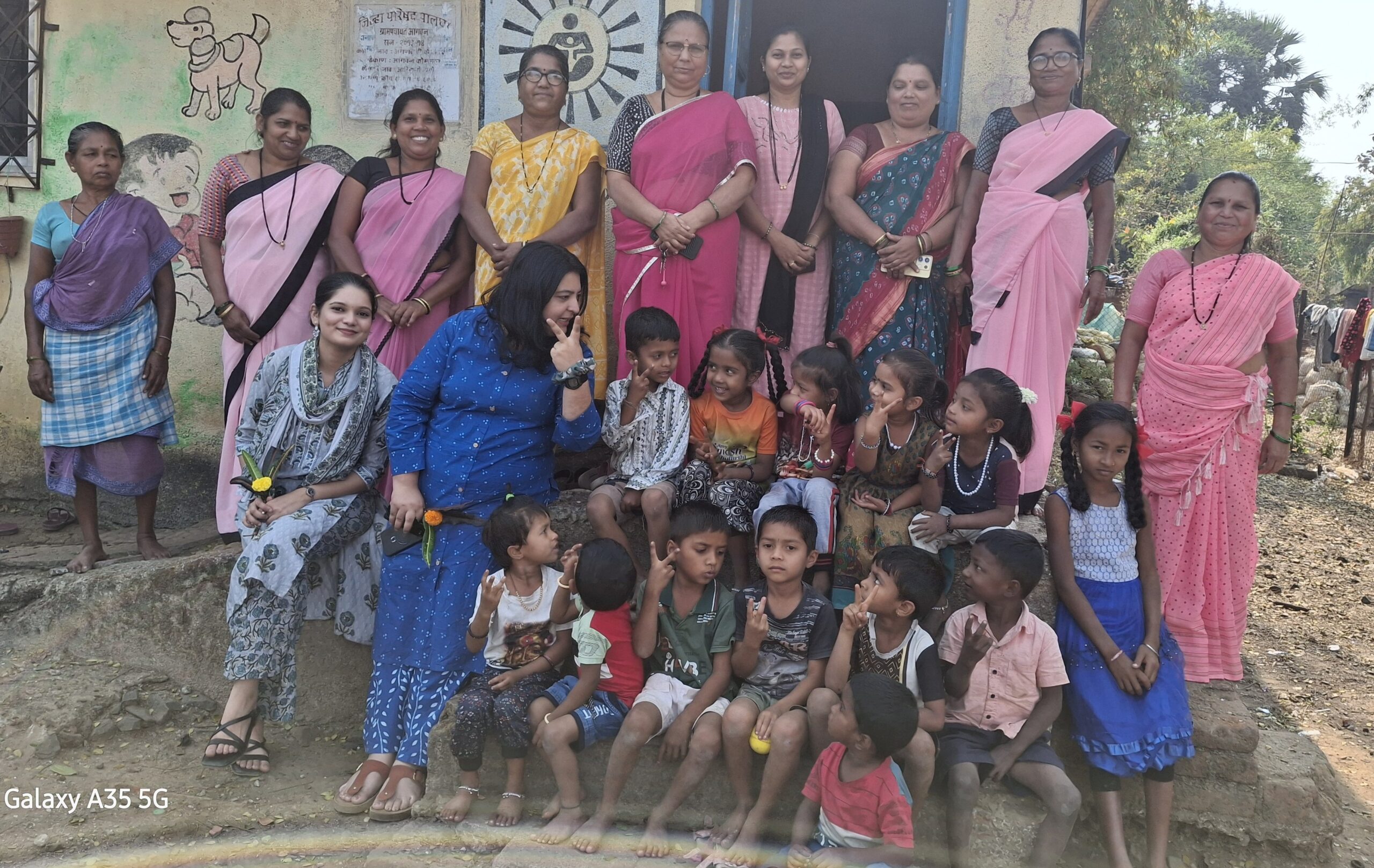
On 21st January, our team travelled to Dahanu, a tribal region in Maharashtra, with a clear purpose: to strengthen early childhood education through play-based learning.
In many tribal communities, Aanganwadis serve as a child’s first point of contact with structured learning. These spaces play a crucial role in shaping how young children experience education, curiosity, and confidence. Keeping this in mind, our focus was on creating joyful, engaging environments that encourage children to learn naturally.
Toy Libraries in 16 Aanganwadis
During the visit, we inaugurated 16 toy libraries across 16 Aanganwadis. Each toy library has been thoughtfully curated to support early childhood development, including cognitive skills, fine and gross motor skills, language development, and social interaction.
These toy libraries are not merely collections of toys. They are learning resources designed to encourage exploration, imagination, problem-solving, and communication. Through play, children can engage deeply, learn at their own pace, and build foundational skills in a stress-free, joyful manner.
Training Aanganwadi Teachers
Alongside the inauguration, a key component of the visit was training Aanganwadi teachers on using toys as effective learning tools.
The training focused on:
- Integrating toys into daily classroom routines
- Using play to build early literacy and numeracy skills
- Encouraging communication, collaboration, and social interaction
- Supporting emotional development through guided and free play
By equipping teachers with practical strategies, the toy libraries become sustainable learning spaces rather than one-time interventions.
Joyful Learning in Action
One of the most heartening moments of the day was observing the children engage with the toys. Seeing these tiny tots participate with enthusiasm, come to school regularly, and immerse themselves in play-based activities was deeply rewarding.
There was a visible spark of curiosity and joy in their eyes. For many children, the toys became a source of excitement and motivation, transforming the Aanganwadi into a space they looked forward to each day.
Why Learning Through Play Matters
Early childhood is a critical period for brain development. Play-based learning helps children develop creativity, problem-solving abilities, communication skills, and emotional resilience. In resource-constrained settings, such approaches are especially impactful as they make learning accessible, inclusive, and engaging.
Looking Ahead
The inauguration of these 16 toy libraries in Dahanu marks an important step in strengthening early learning ecosystems. By supporting Aanganwadi teachers and creating joyful learning environments, we aim to build strong foundations for children during their most formative years.
Because when learning begins with play, it nurtures curiosity, confidence, and a lifelong love for learning.
Learning Through Play in Dahanu: Inaugurating 16 Toy Libraries in Aanganwadis