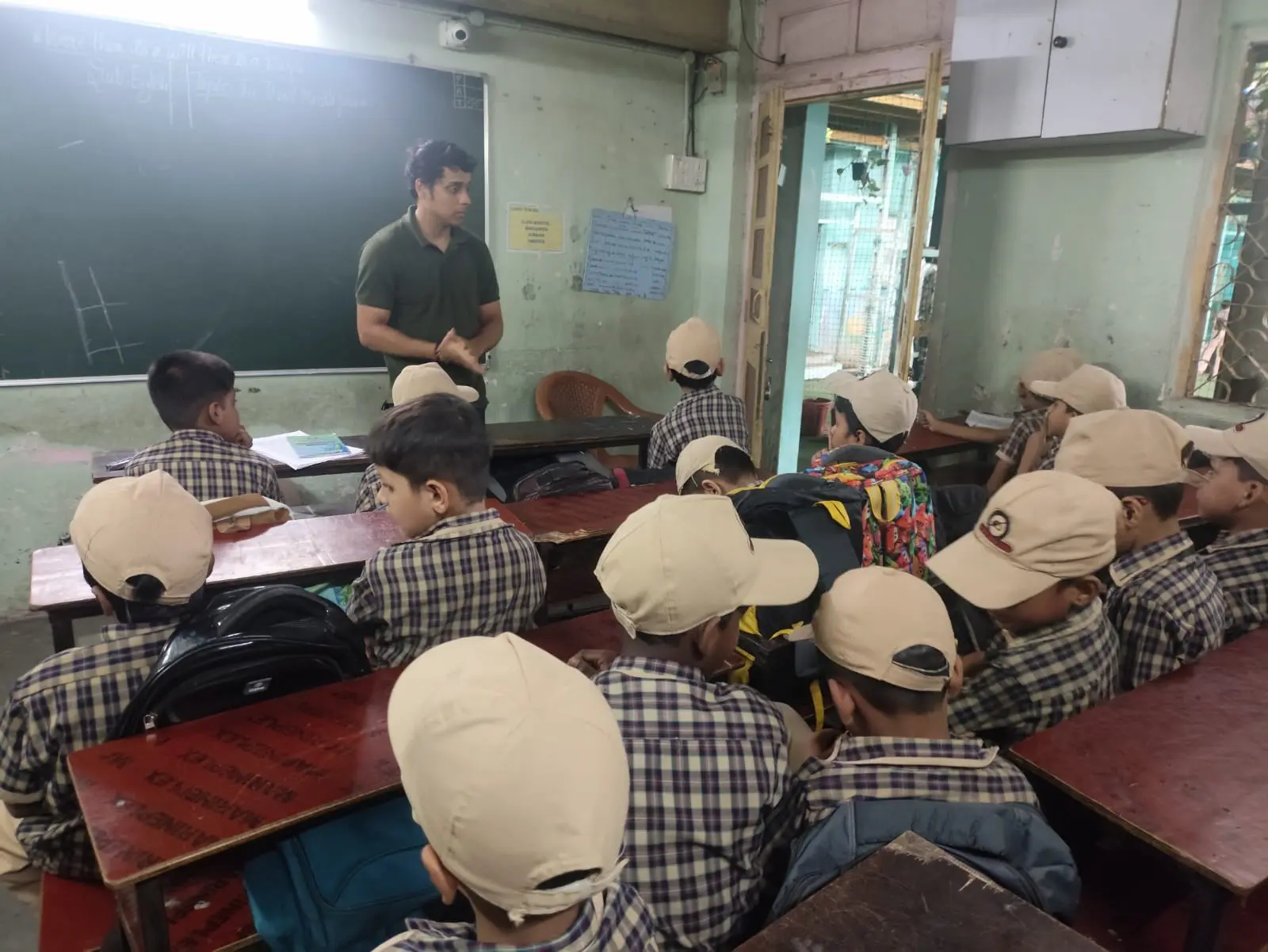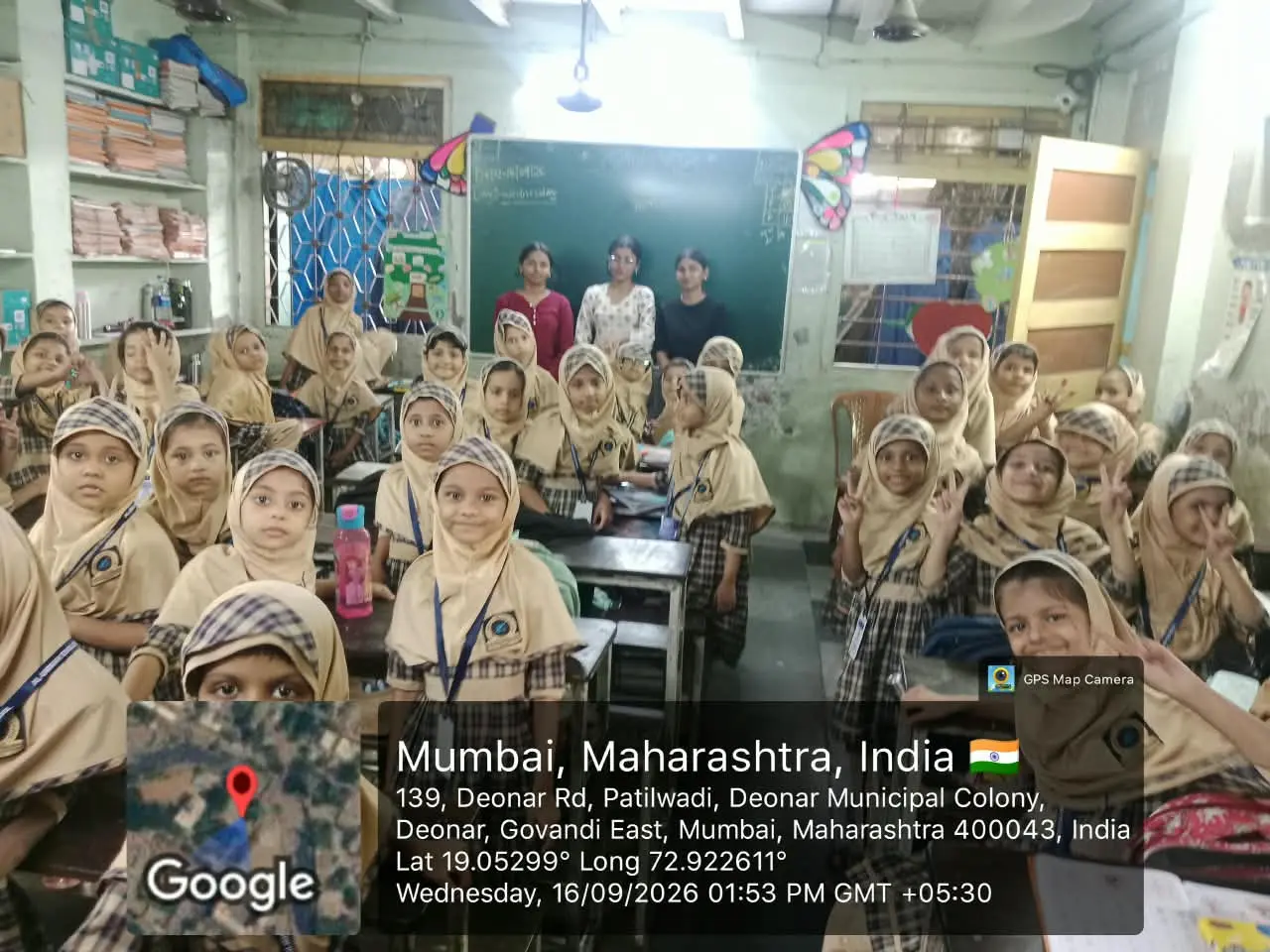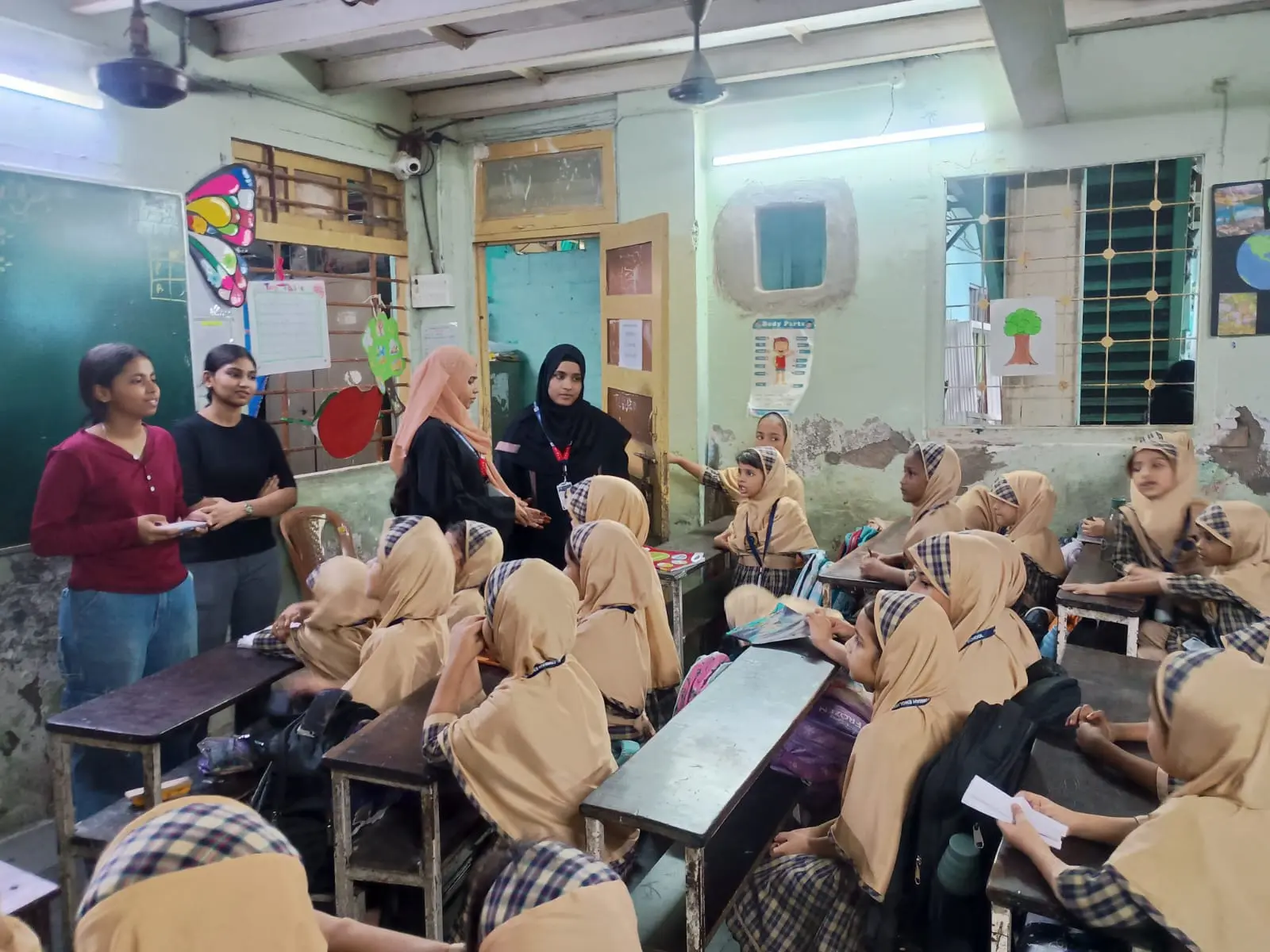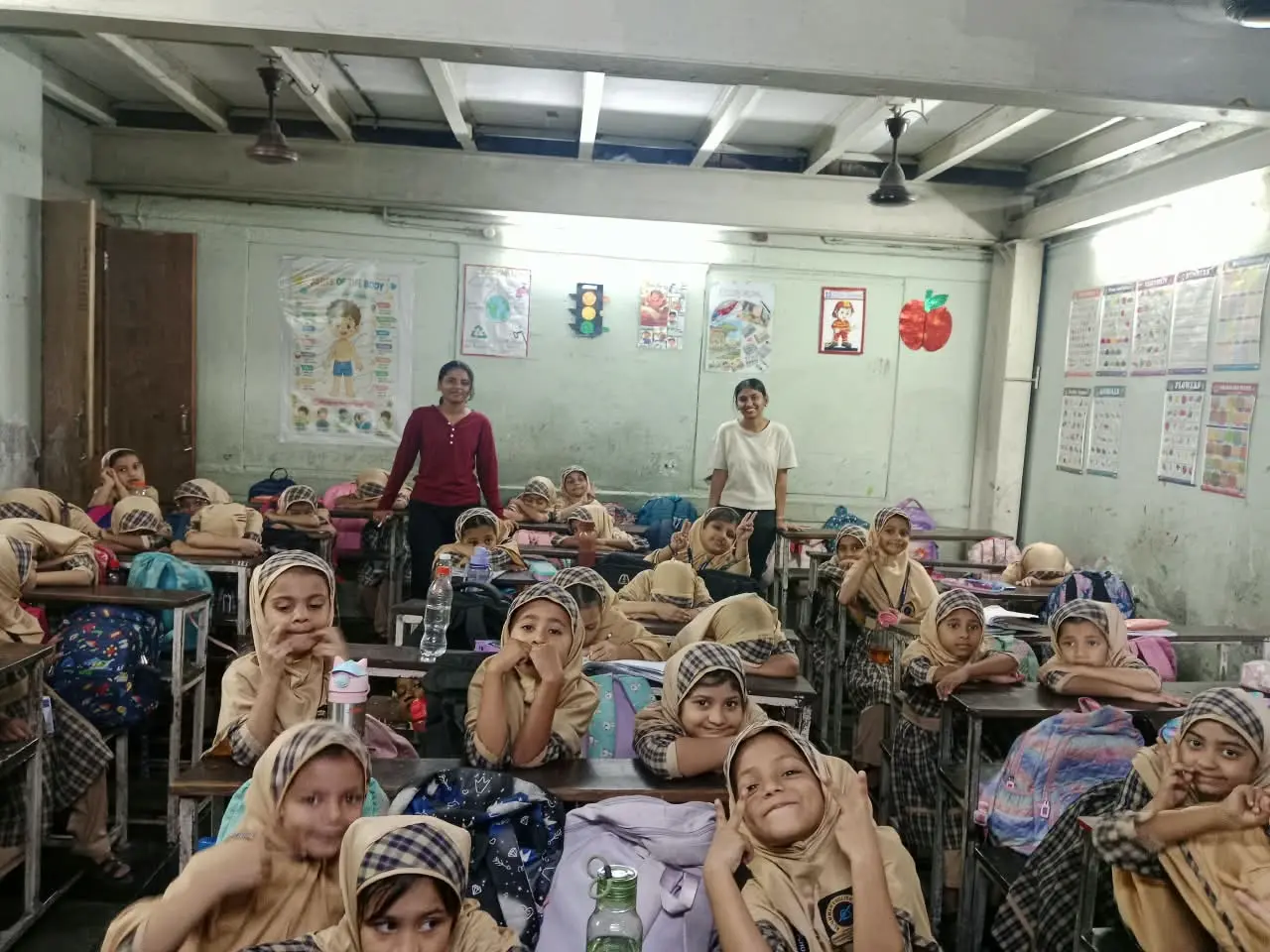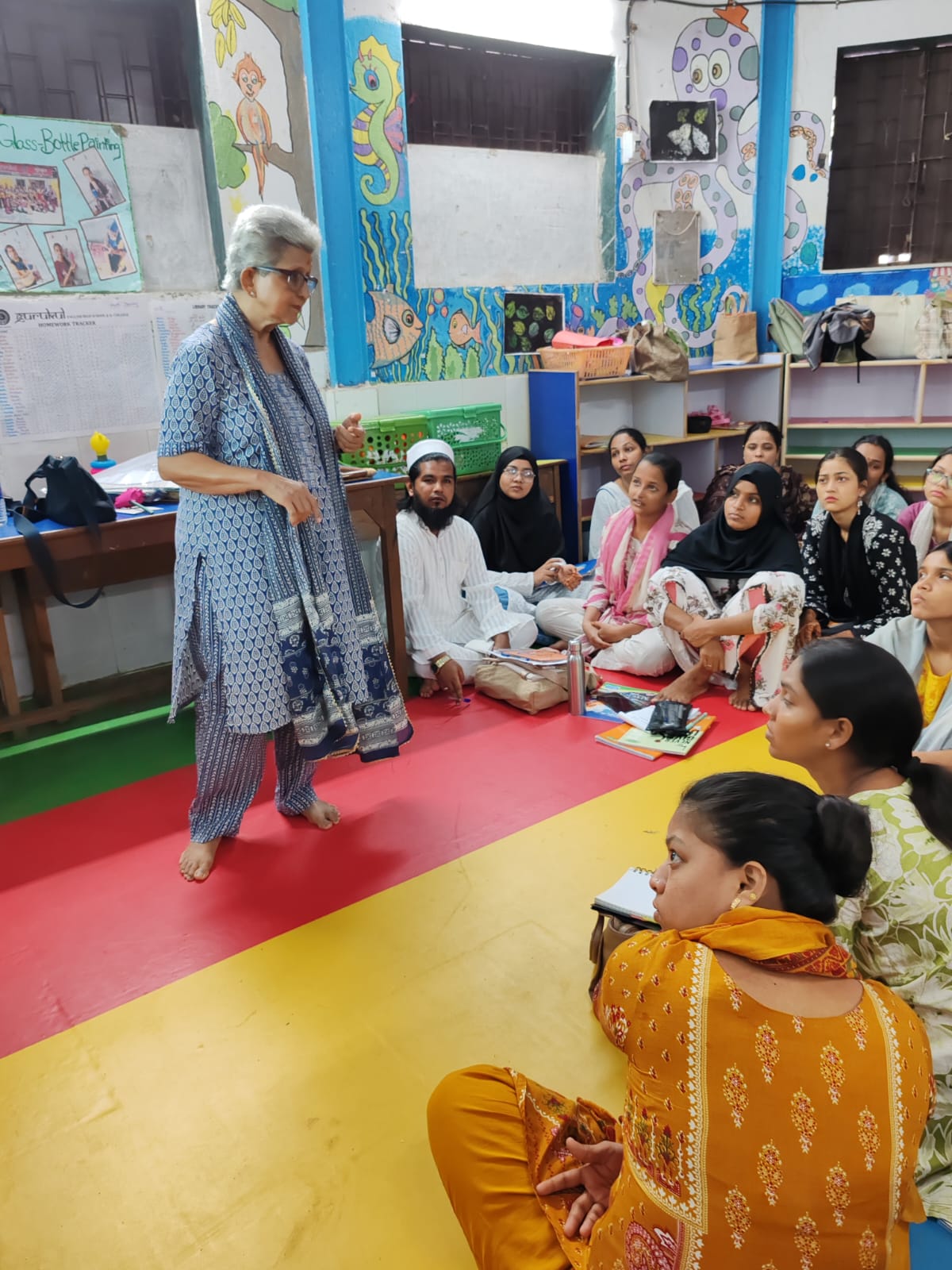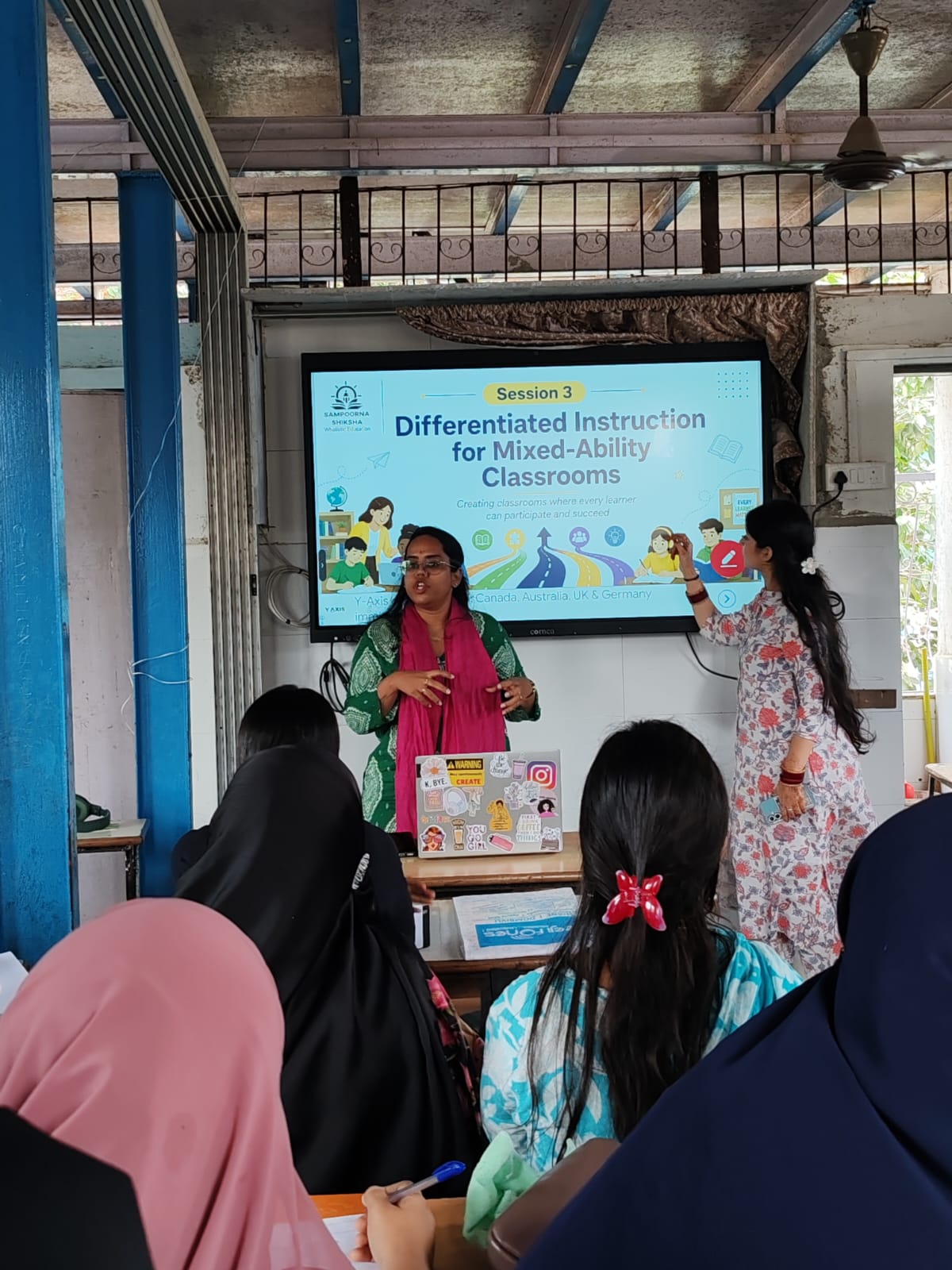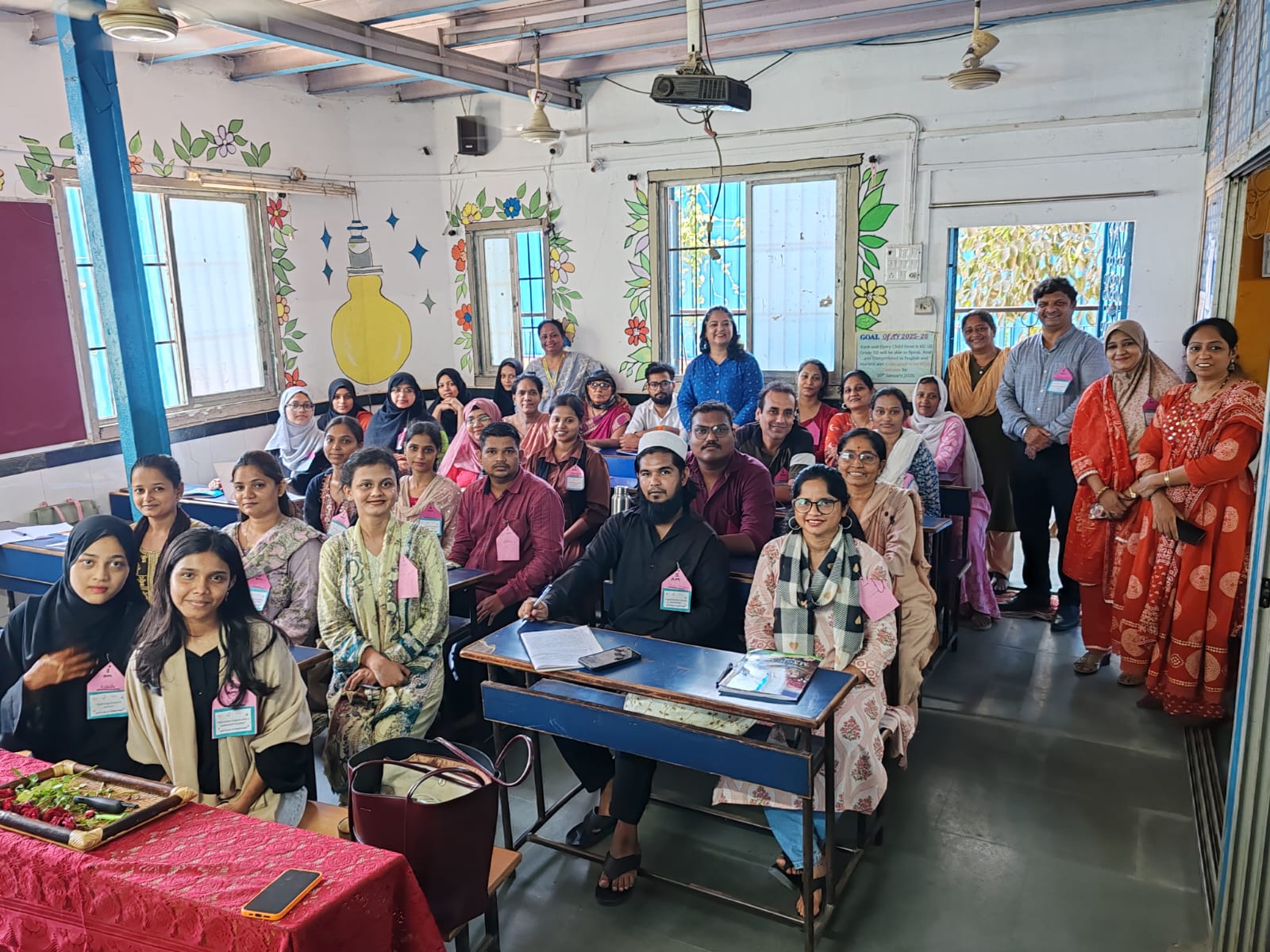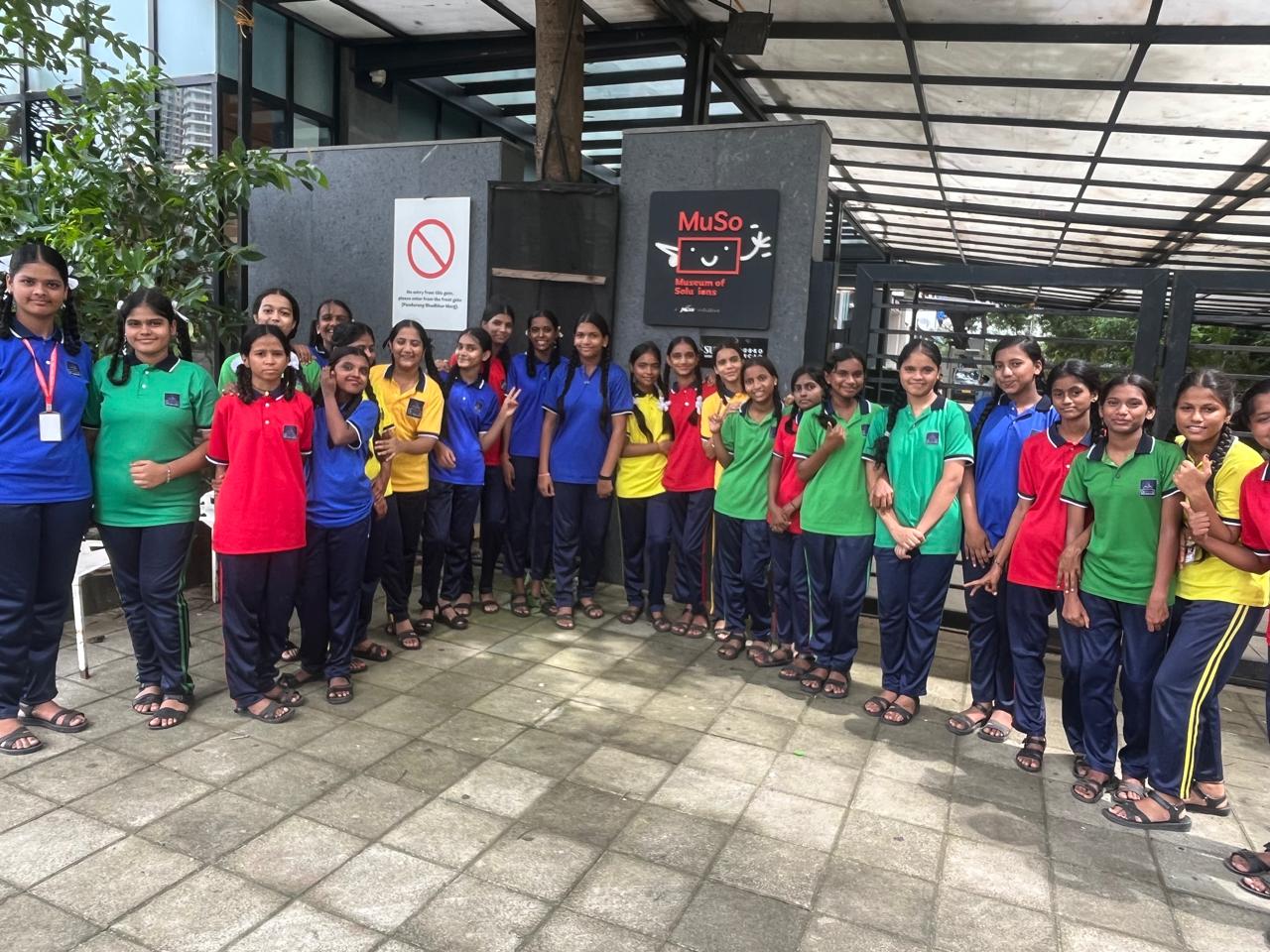
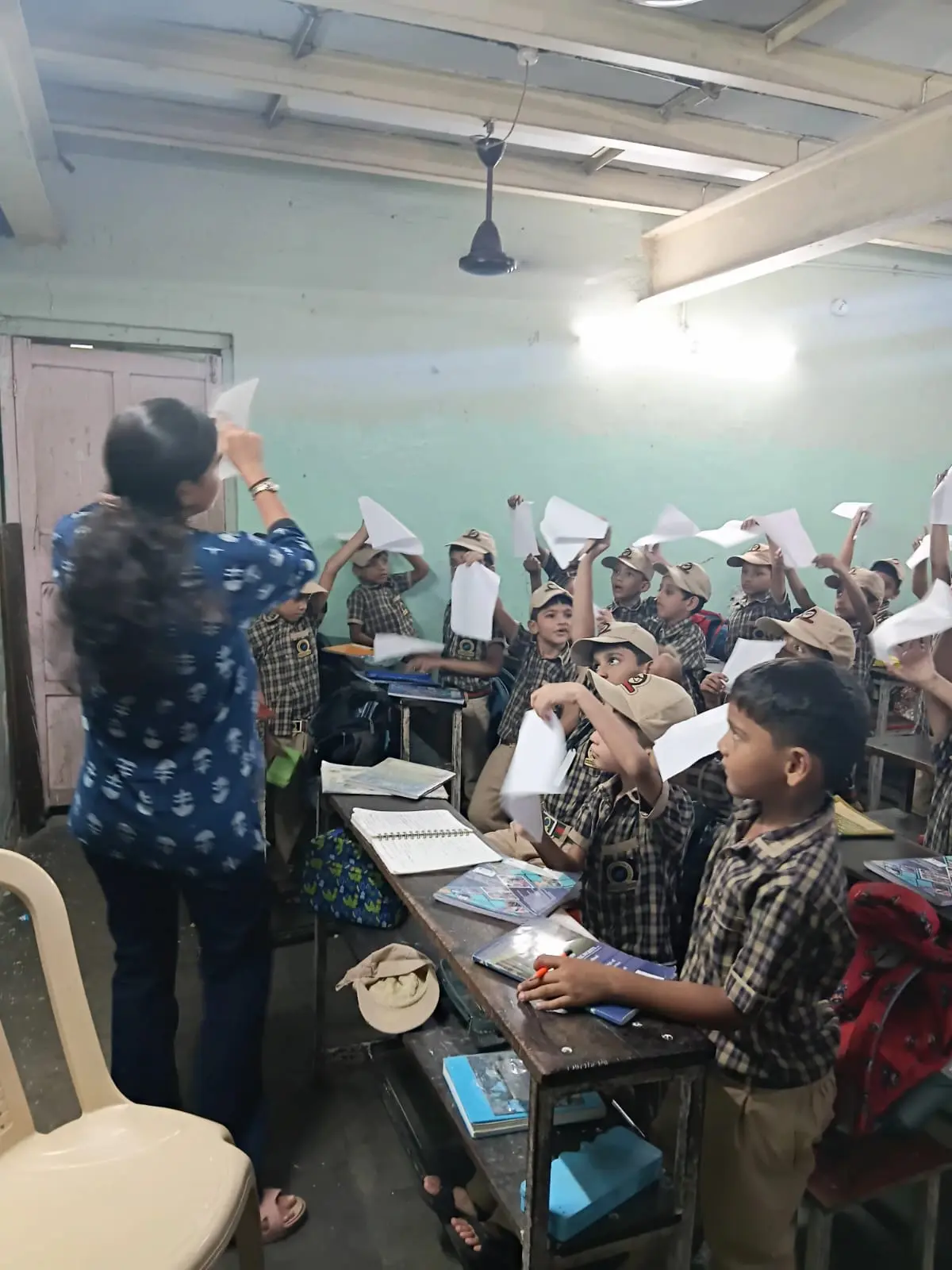
Beyond the Textbook: Bringing English to Life at Awami High School, Govandi, Maharashtra.

What if a classroom became a place where children could share stories, ask questions, express opinions and discover the power of their own words?

For many children, learning English is not just about understanding a new language; it is about finding opportunities to use it. A conversation with a friend, reading aloud in class or confidently answering a question can turn a small learning moment into a meaningful achievement.

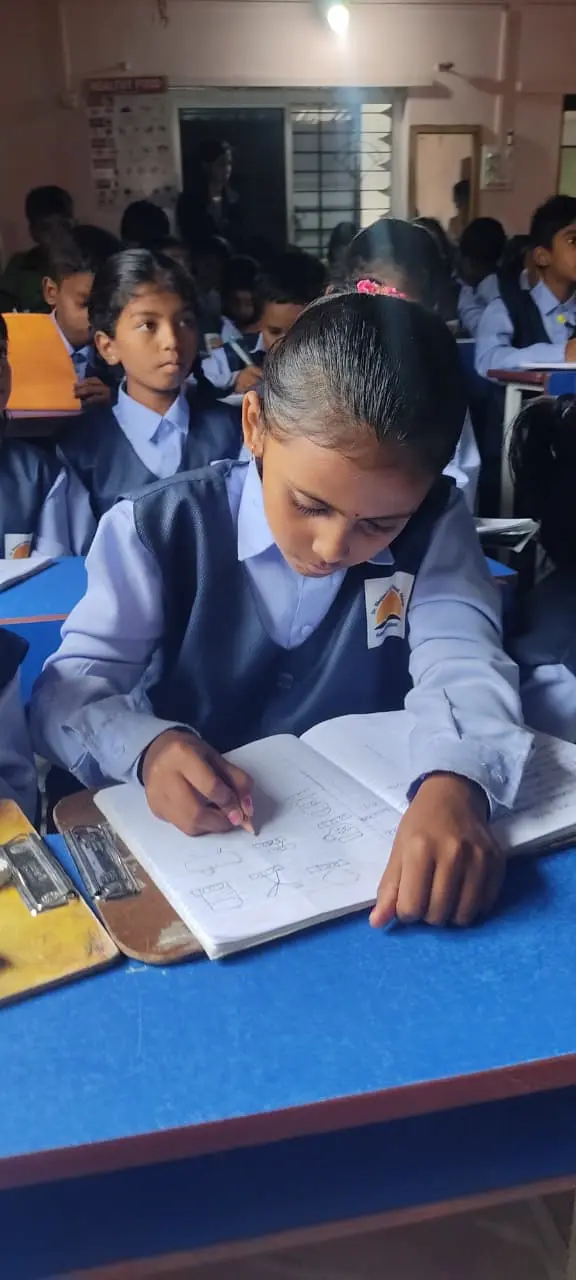
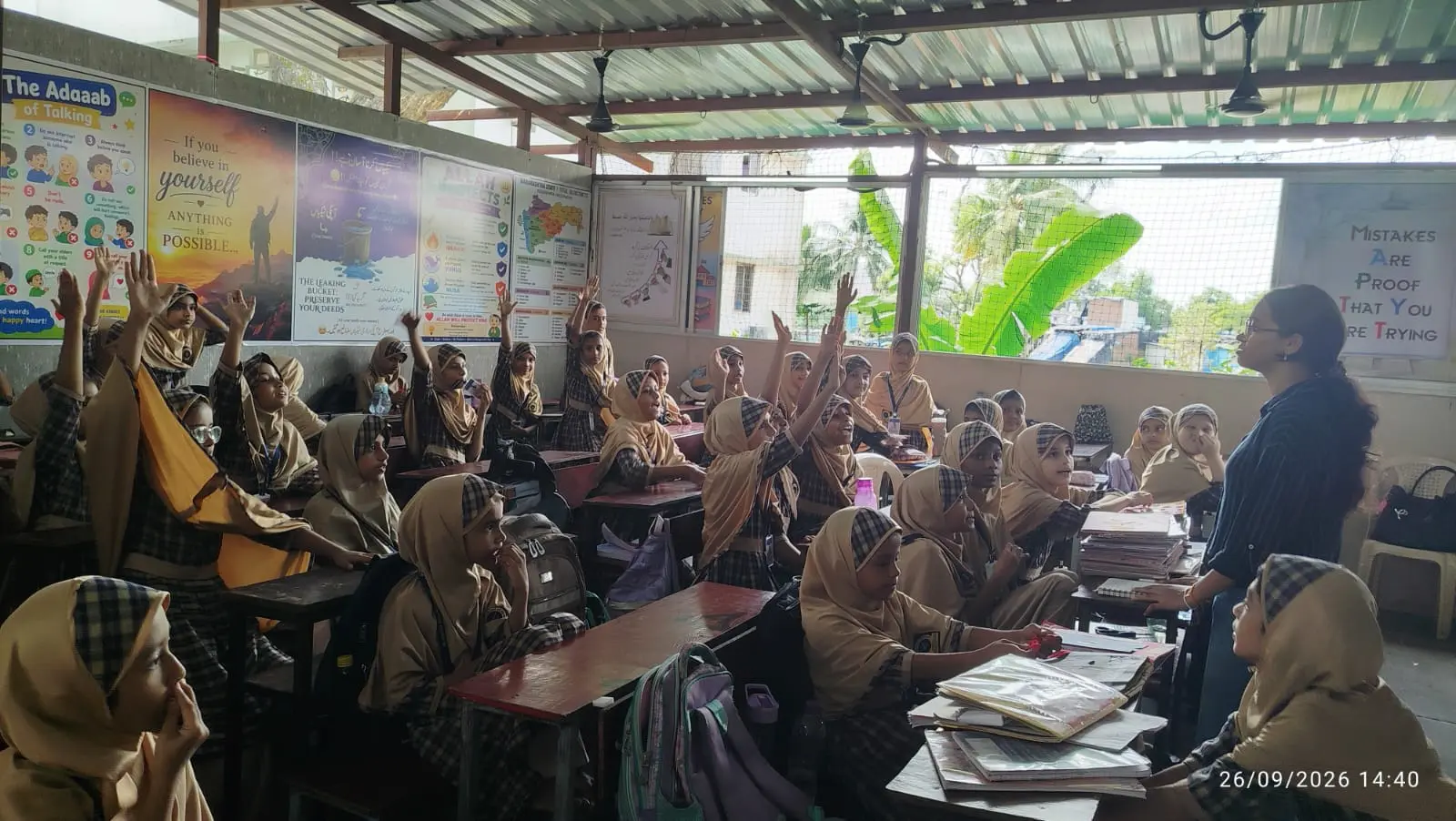
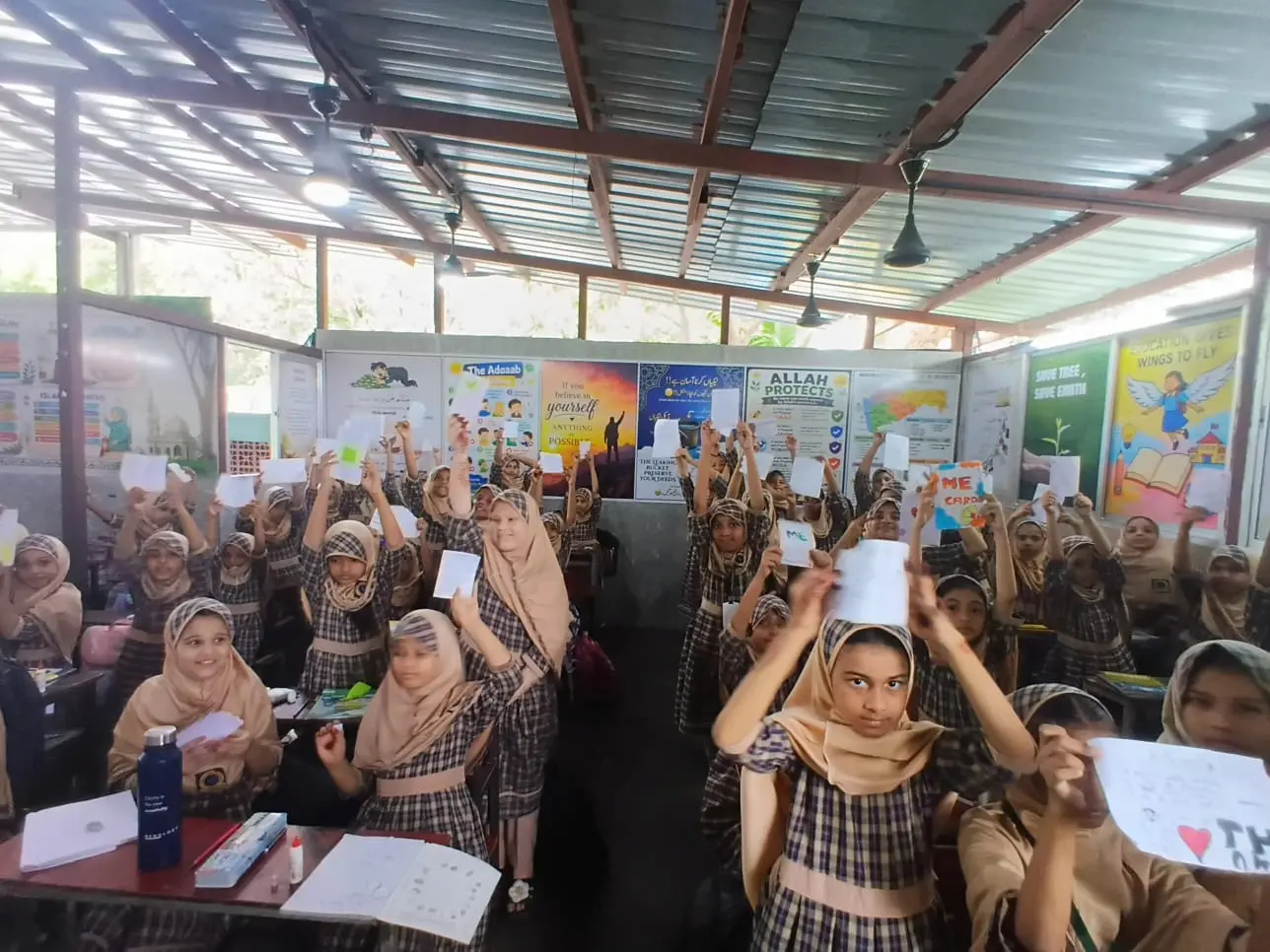
With this in mind, Sampoorna Shiksha – Gyaandaan Foundation has launched the English Express Programme under Project Shiksha Vikas at Awami High School, Govandi, Mumbai, reaching 590 students with the support of eight facilitators.

English That Goes Beyond the Classroom

A language becomes meaningful when children can use it in their everyday lives. English Express aims to make this possible by helping students develop essential language skills through regular practice and engaging activities.

The programme focuses on:

  • Listening and understanding: Following instructions, understanding conversations and responding appropriately.
  • Speaking with confidence: Practising everyday conversations, introductions and expressing personal opinions.
  • Reading and comprehension: Building reading fluency and understanding the meaning behind words and sentences.
  • Vocabulary development: Discovering new words and learning how to use them in different contexts.
  • Grammar and sentence formation: Understanding language structures and using them to communicate clearly.
  • Pronunciation and fluency: Developing clearer speech and greater comfort while speaking English.
  • Creative communication: Exploring storytelling, role-play, discussions and other activities that encourage self-expression.

The goal is to help children move beyond memorising words and rules towards using English to communicate ideas, understand others and participate more actively in their learning.

One Programme, Different Learning Journeys

A child learning to form their first English sentences has different needs from a student preparing to express a more detailed opinion. Recognising these differences is an important part of language education.

The programme covers 10 Grade Groups across Primary Grades 1–4 (Sections A and B for each grade) and Secondary Grades 7–8 

  • Grades 1–4: Sections A and B across each grade.
  • Grades 7–8: Secondary-level students.

This reach brings together learners at different stages of their educational journey. Learning activities can be adapted to their age, existing language skills and learning needs, allowing students to work towards appropriate goals.

When English Meets Everyday Experiences

A festival, a familiar story or an important day can become the starting point for a lively English lesson.

Theme-based activities create opportunities for students to learn vocabulary connected to their surroundings, describe experiences, narrate stories, participate in discussions and express their ideas. Role-play, quizzes, picture descriptions and short presentations can turn familiar subjects into practical language exercises.

These activities help connect English with the world children experience outside their textbooks, giving them meaningful reasons to listen, think, speak and write.

Looking at Learning Beyond the Classroom

Progress in language learning does not always happen all at once. Sometimes it begins with understanding a new word; sometimes, it means speaking a complete sentence or reading a passage with greater ease.

To understand these changes, the English Express Programme incorporates pre-assessments, mid-assessments and post-assessments.

The pre-assessment helps establish students’ starting levels. The mid-assessment provides an opportunity to review progress and identify areas requiring further support. The post-assessment helps evaluate learning by comparing students’ performance with their initial levels.

Together, these assessments help facilitators understand students’ needs, plan suitable learning activities and identify areas of improvement over the course of the programme.

590 Students, More Opportunities to Express

With eight facilitators supporting the initiative, English Express at Awami High School represents an opportunity to make language learning more engaging and accessible for students across primary and secondary grades..

The real milestone is not just learning a new word. It is finding the confidence to use it – And that is where every new conversation begins.
From Words to Conversations: English Express for Young Learners in Solapur, Maharashtra

Learning English is not just about knowing the right words or understanding grammar. It is about having the confidence to ask questions, share ideas, tell stories and express oneself. Creating opportunities for children to practise these skills from an early age can make a lasting difference in their learning journey.

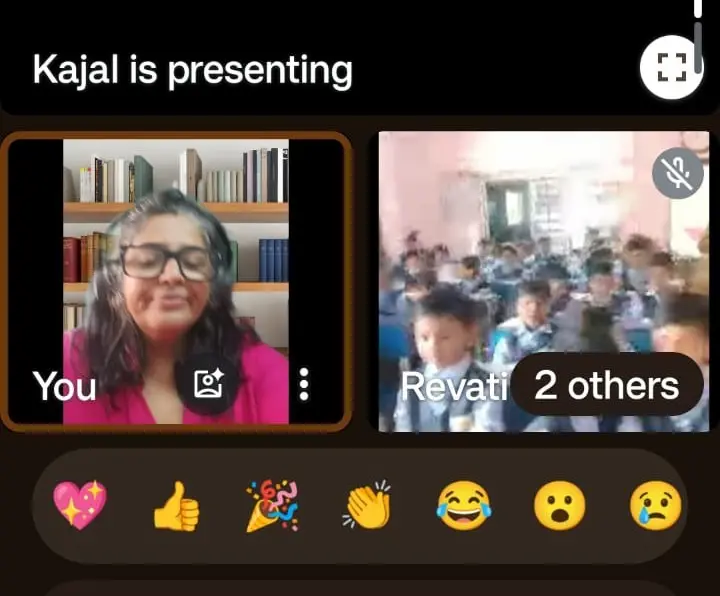
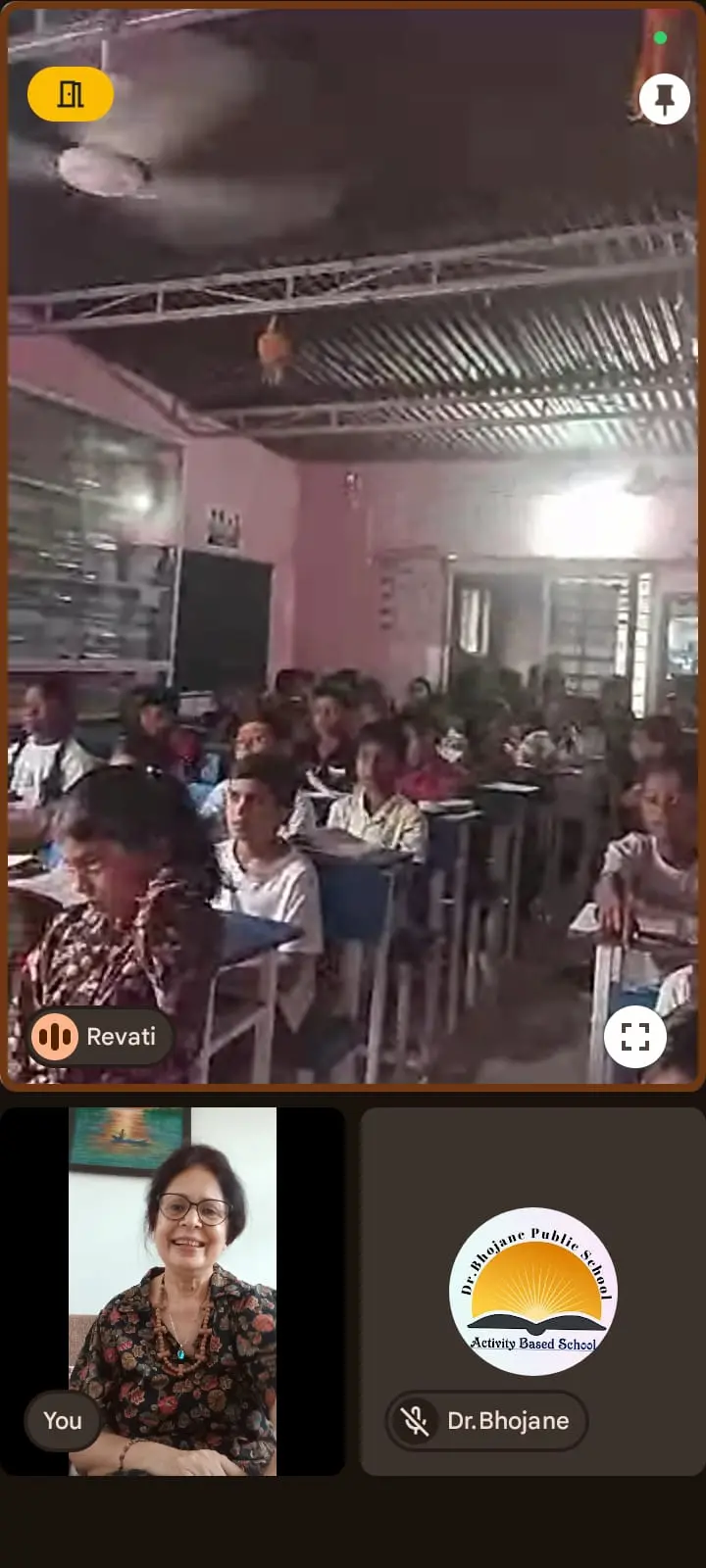
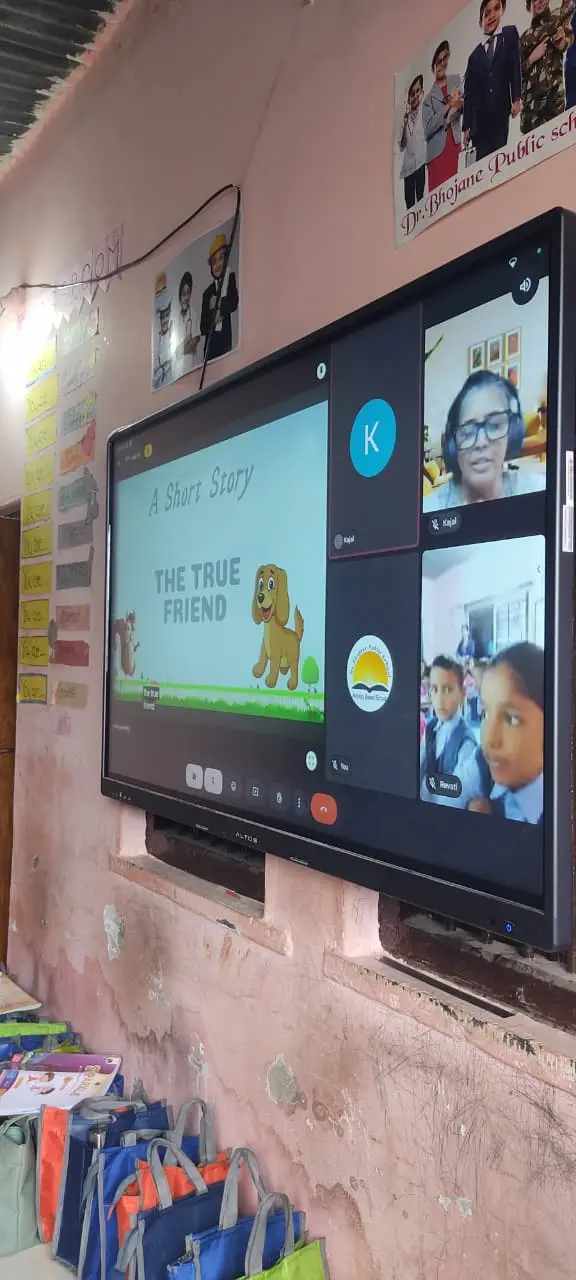
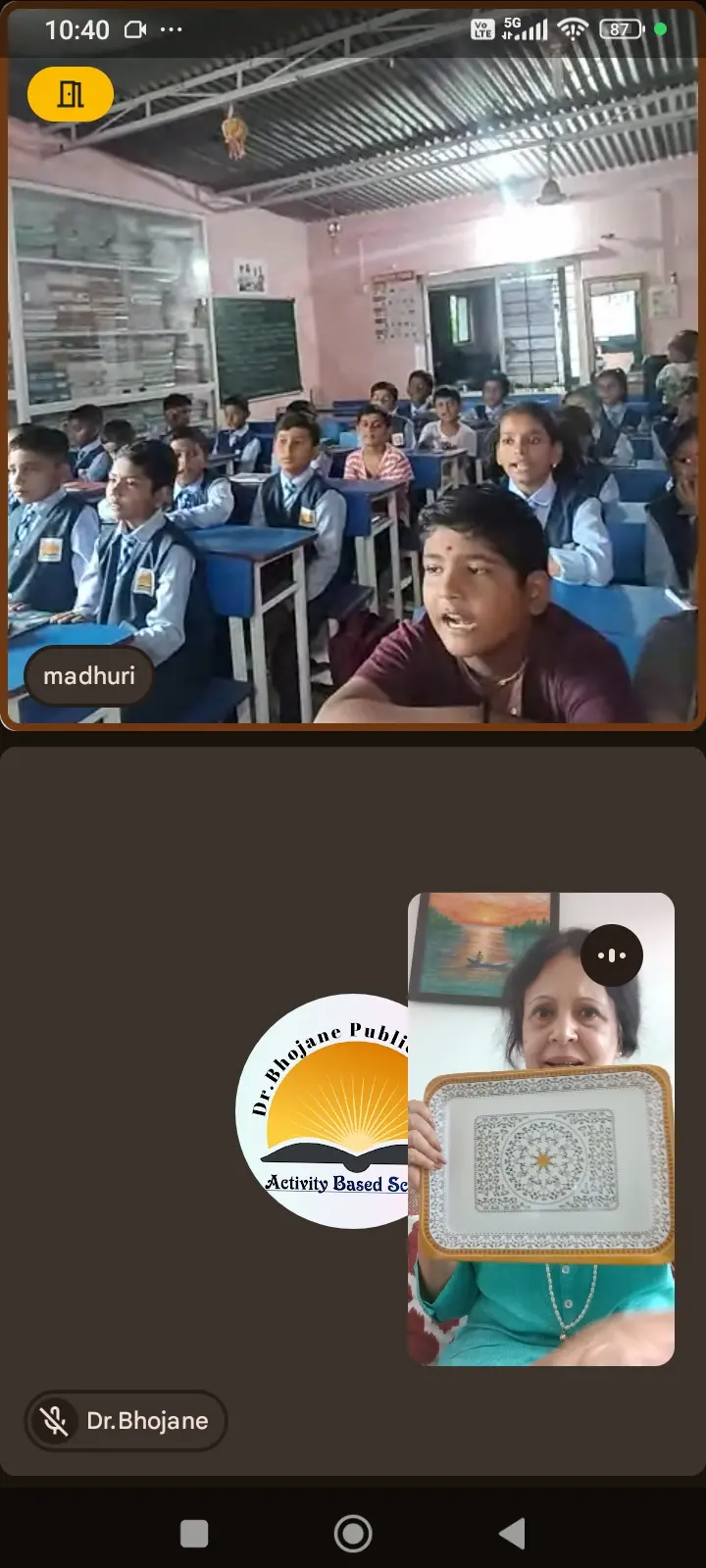
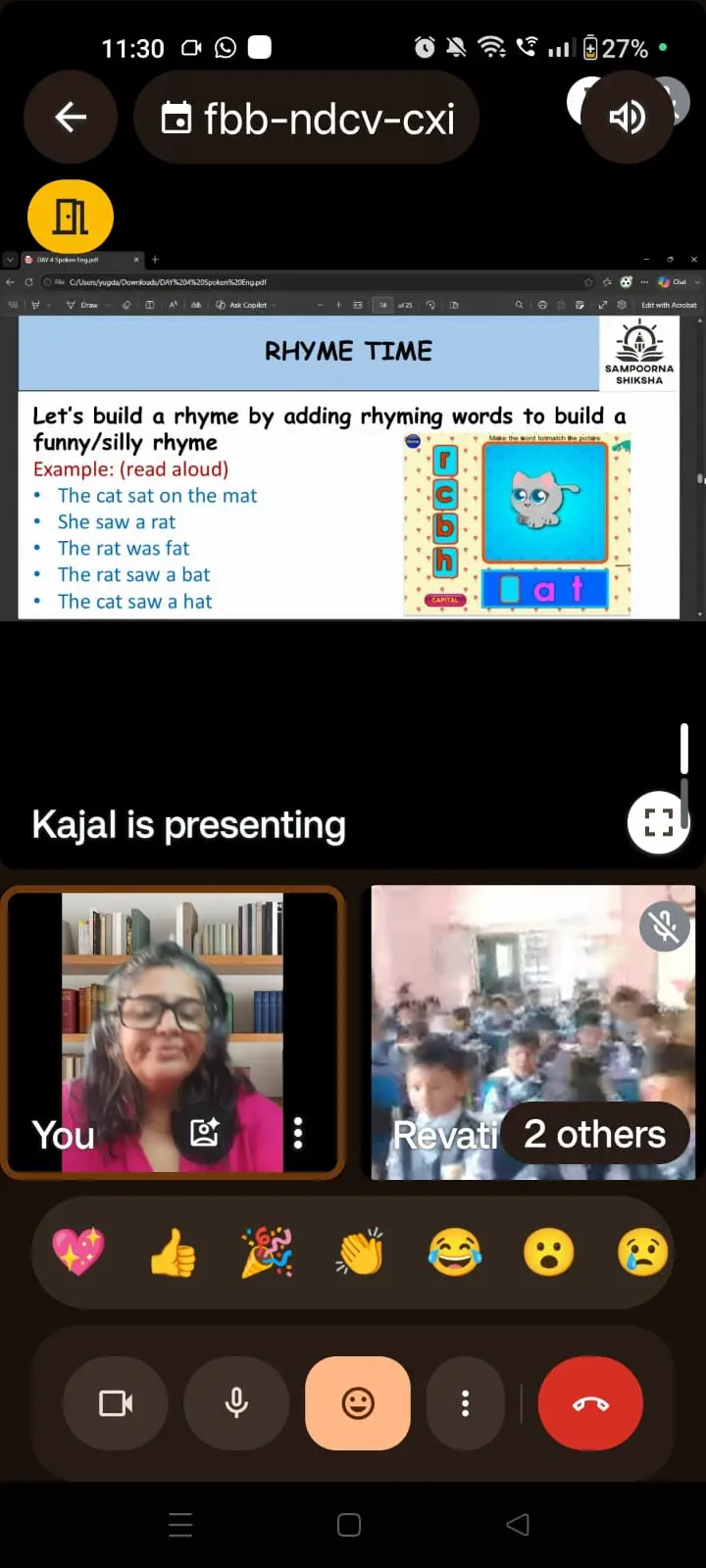
Under Project Shiksha Vikas, Sampoorna Shiksha – Gyaandaan Foundation has launched the English Express Programme at Dr. Bhojane Public School, Solapur, Maharashtra, reaching 350 students from Grades 1 to 4 through online sessions conducted Monday to Friday by four dedicated facilitators.

More Than Words: Building Everyday English Skills

English Express focuses on helping children develop the skills they need to use English in everyday life. The programme covers key areas such as:

  • Listening and Comprehension: Understanding spoken English, following instructions and responding appropriately.
  • Speaking and Communication: Practising conversations, self-introductions and expressing thoughts with confidence.
  • Vocabulary Building: Learning new words, understanding their meanings and using them in context.
  • Reading Skills: Developing reading fluency, recognising words and understanding simple texts.
  • Grammar and Sentence Formation: Learning basic grammar, constructing sentences and using words correctly.
  • Pronunciation and Fluency: Improving clarity of speech and becoming more comfortable speaking English.
  • Creative Expression: Exploring storytelling, role-play, discussions and interactive activities to make language learning engaging.

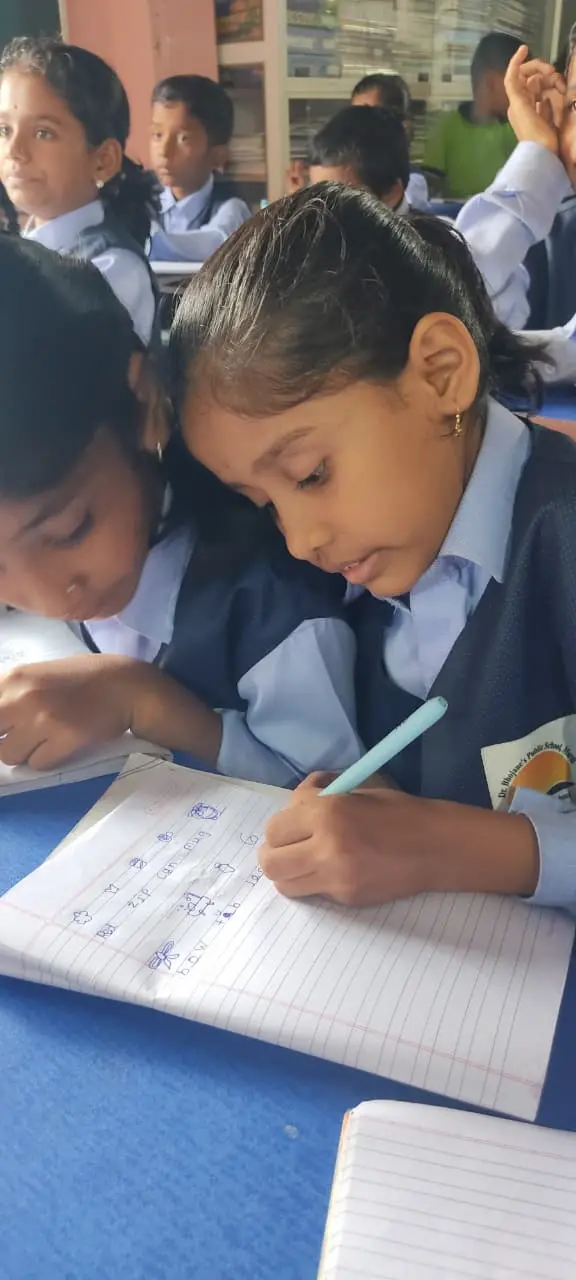
Through regular practice and age-appropriate activities, students get opportunities to strengthen their foundational English skills and gradually become more confident communicators.

Festivals, Special Days & Fun with English!

Who says language learning has to happen only through textbooks? At English Express, festivals and special occasions become opportunities to discover new words, share stories and express ideas in English.

From discussing festivals and learning related vocabulary to storytelling, role-play, quizzes, picture descriptions and short speeches around important days, students get to practise English through familiar and meaningful themes.

These sessions connect language learning with children’s everyday experiences, encouraging them to participate in conversations, explore different traditions and use English in creative ways. Every celebration becomes another opportunity to learn, speak and share!

Tracking Progress, Celebrating Every Step

Every child begins their learning journey at a different level. Understanding that starting point and tracking progress helps make learning more purposeful.

English Express incorporates three stages of assessment to understand students’ development throughout the programme:

  • Pre-assessment: Identifies students’ existing English skills and areas that need attention.
  • Mid-assessment: Reviews progress, highlights learning gaps and helps facilitators identify where additional practice may be needed.
  • Post-assessment: Evaluates progress by comparing students’ performance with their initial assessment.

Together, these assessments help facilitators understand students’ learning needs, adapt their teaching approaches and identify areas of improvement across relevant language skills.

Four Facilitators, Five Days of Learning! 

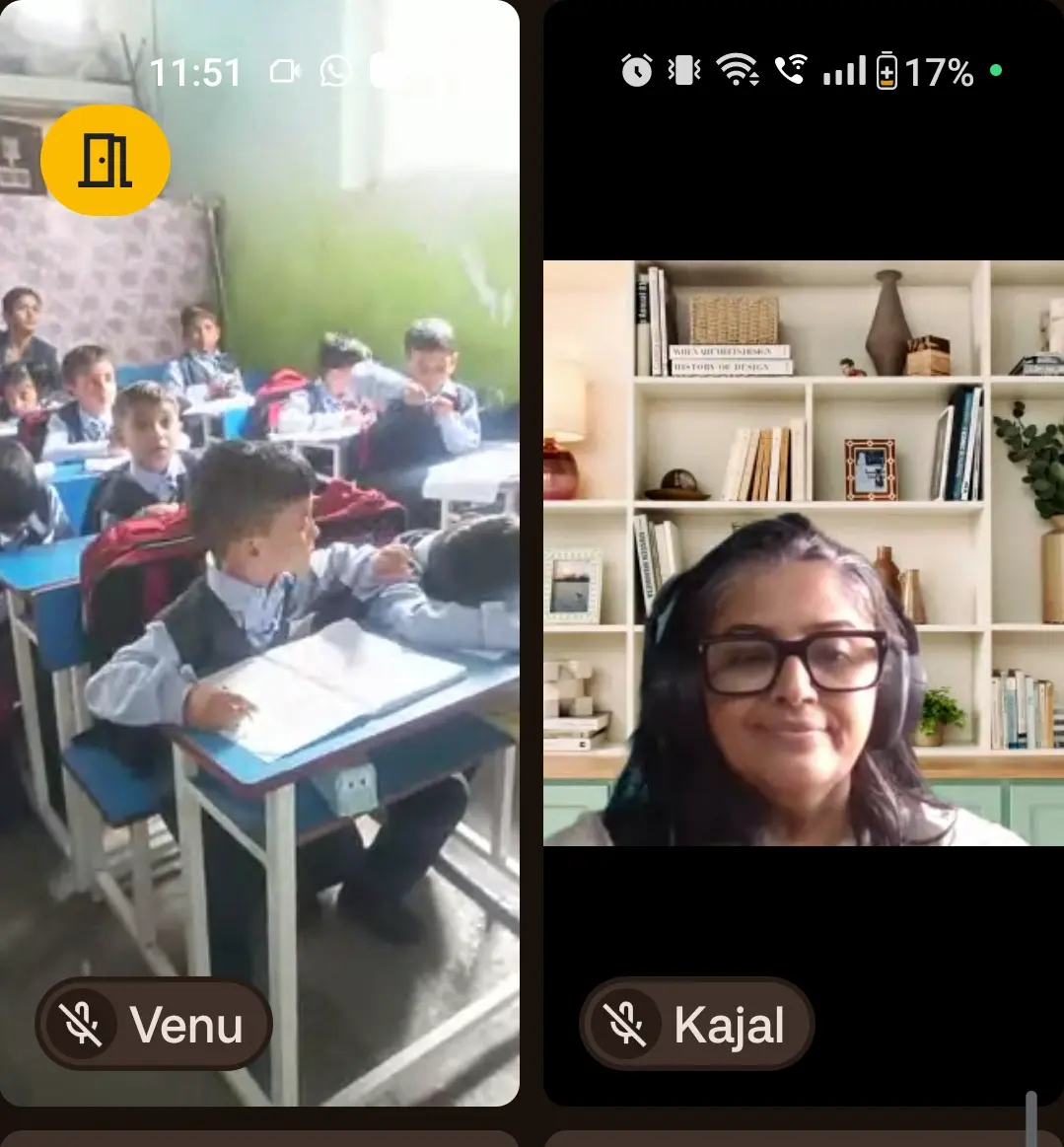
With four dedicated facilitators conducting online sessions from Monday to Friday, students have regular opportunities to practise English, participate in activities and build their communication skills.

The online format brings structured learning directly to the school, demonstrating how technology can expand access to educational opportunities. Through guided practice, interactive exercises and theme-based sessions, children are encouraged to ask questions, participate actively and learn at their own pace.

Every Word Is a Step Forward

A child introducing themselves in English, sharing a story or volunteering to answer a question may seem like a small moment. But each step can contribute to greater confidence, self-expression and readiness to communicate.

Through Project Shiksha Vikas, Sampoorna Shiksha continues to work towards strengthening foundational skills and creating opportunities for children to realise their potential. English Express at Dr. Bhojane Public School is another step towards helping young learners find their voice and express their ideas with confidence.

320 students. Four facilitators. Five days of learning every week. Countless opportunities to turn words into conversations.
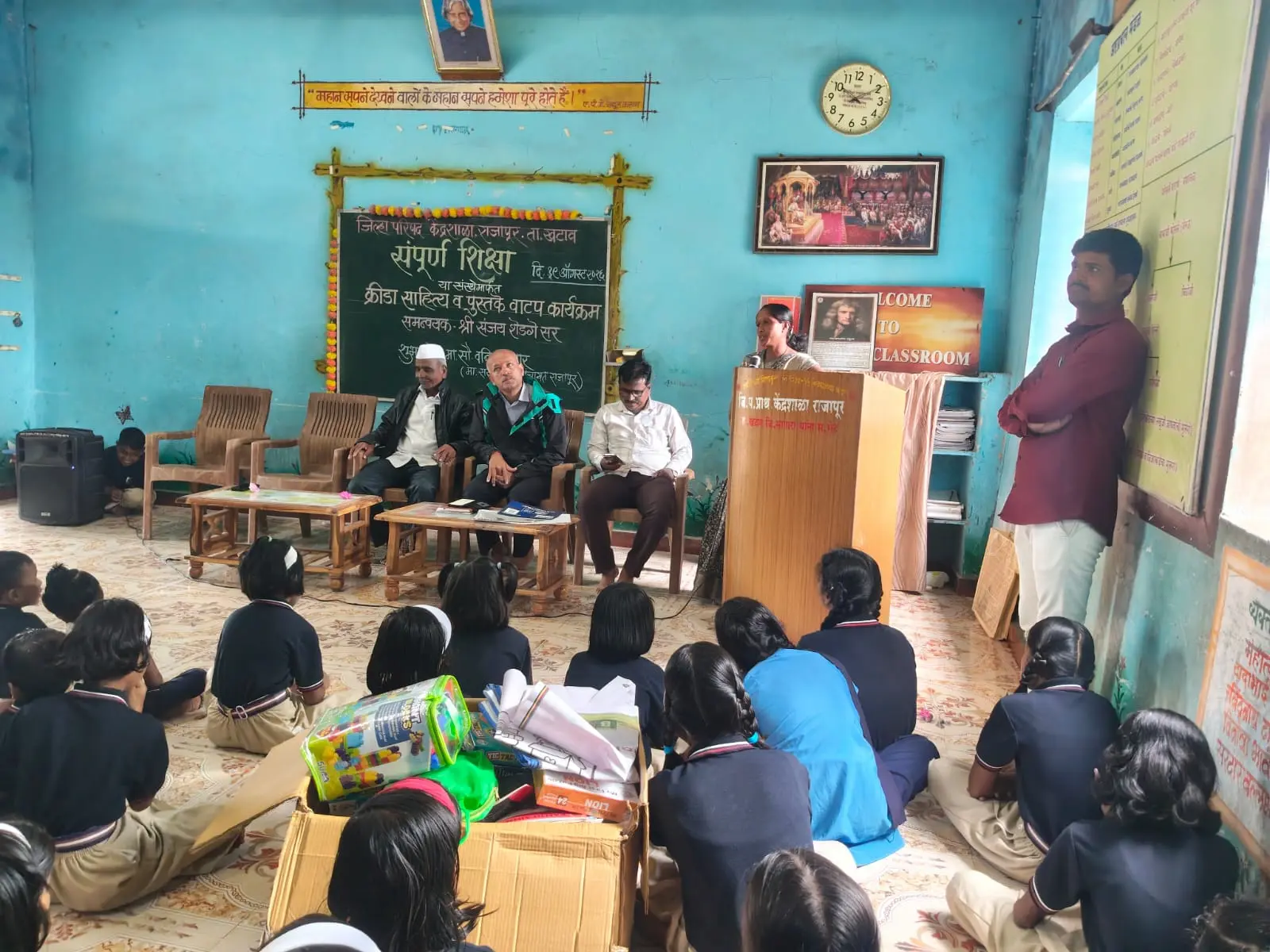
When Toys Become Teachers: Seven Toy-Book Libraries Bring Learning to Life in Satara, Maharashtra

What if every toy held a lesson and every book opened the door to a new adventure?

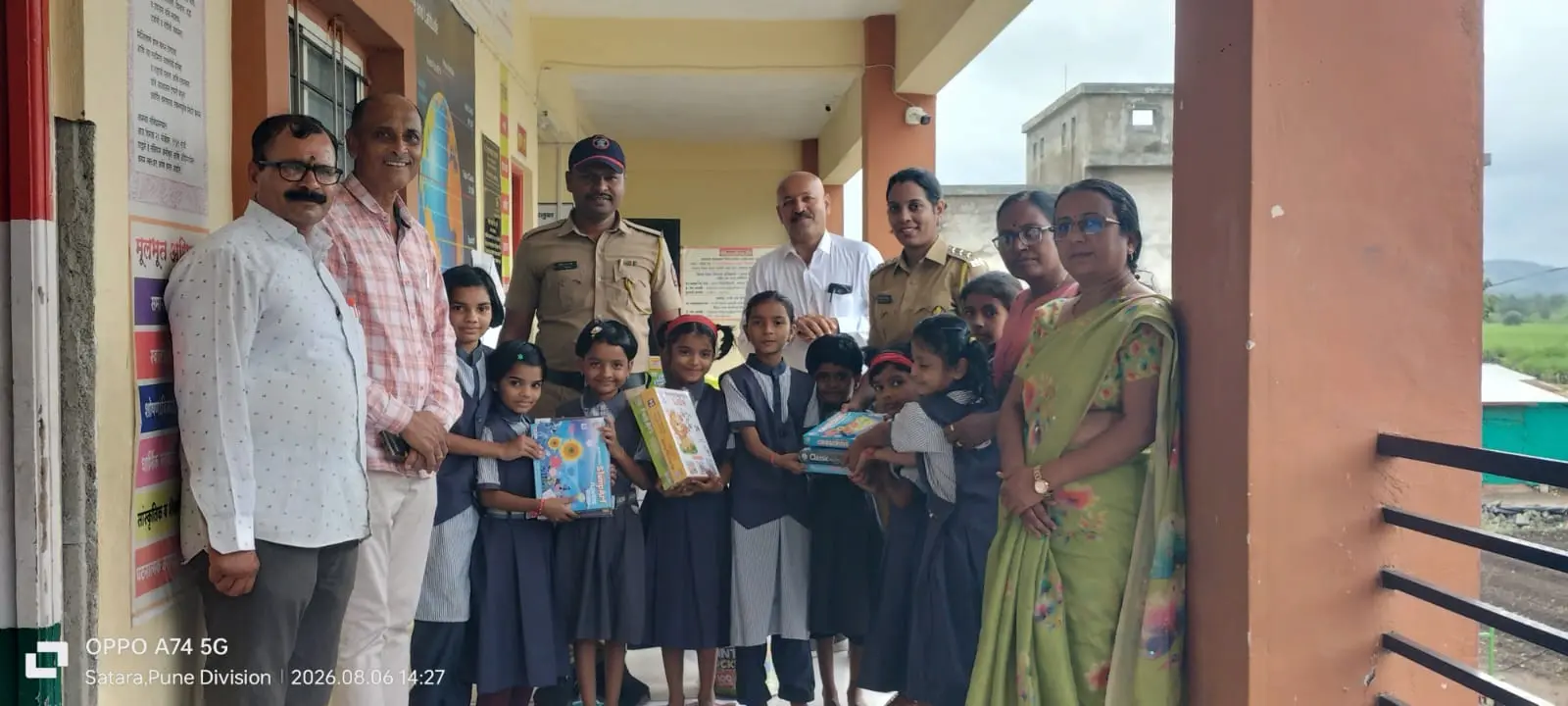
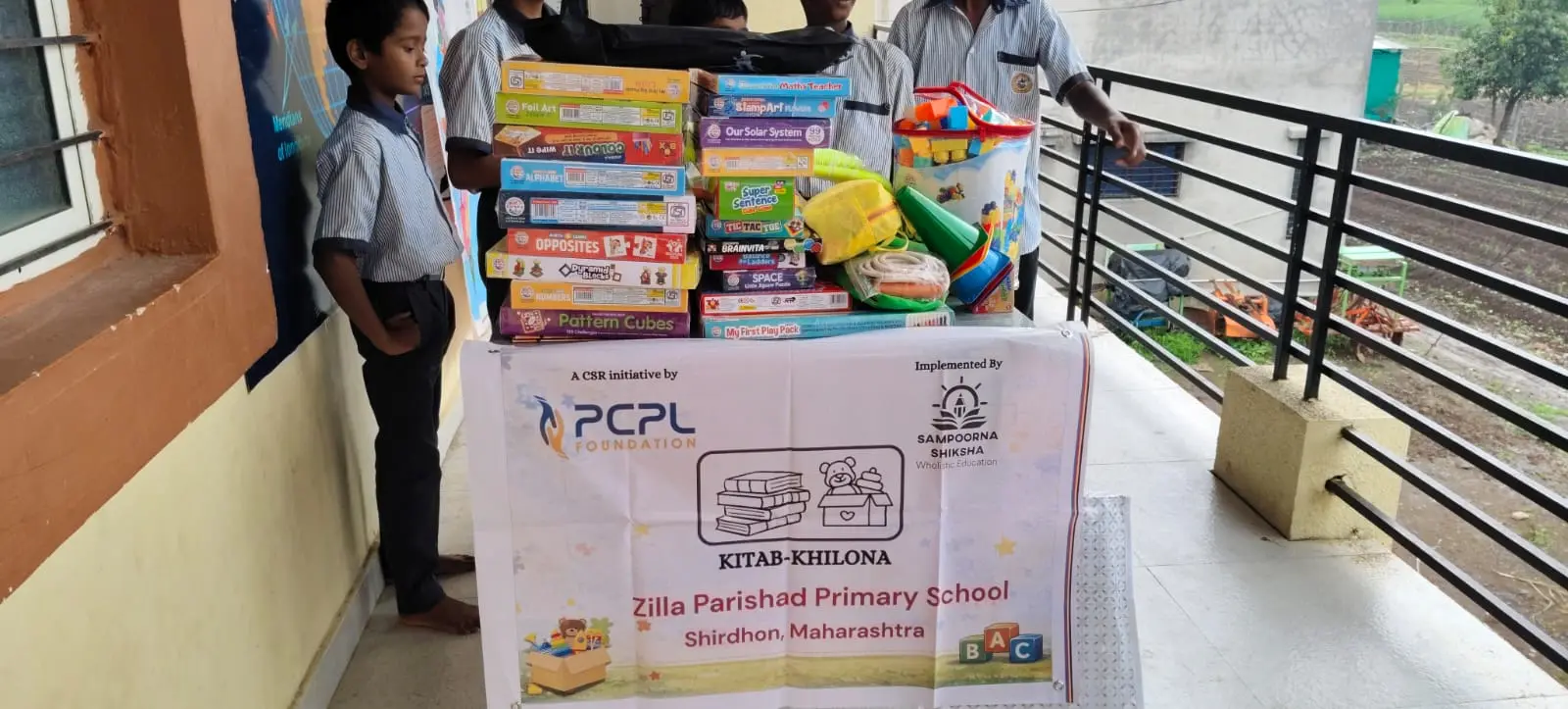
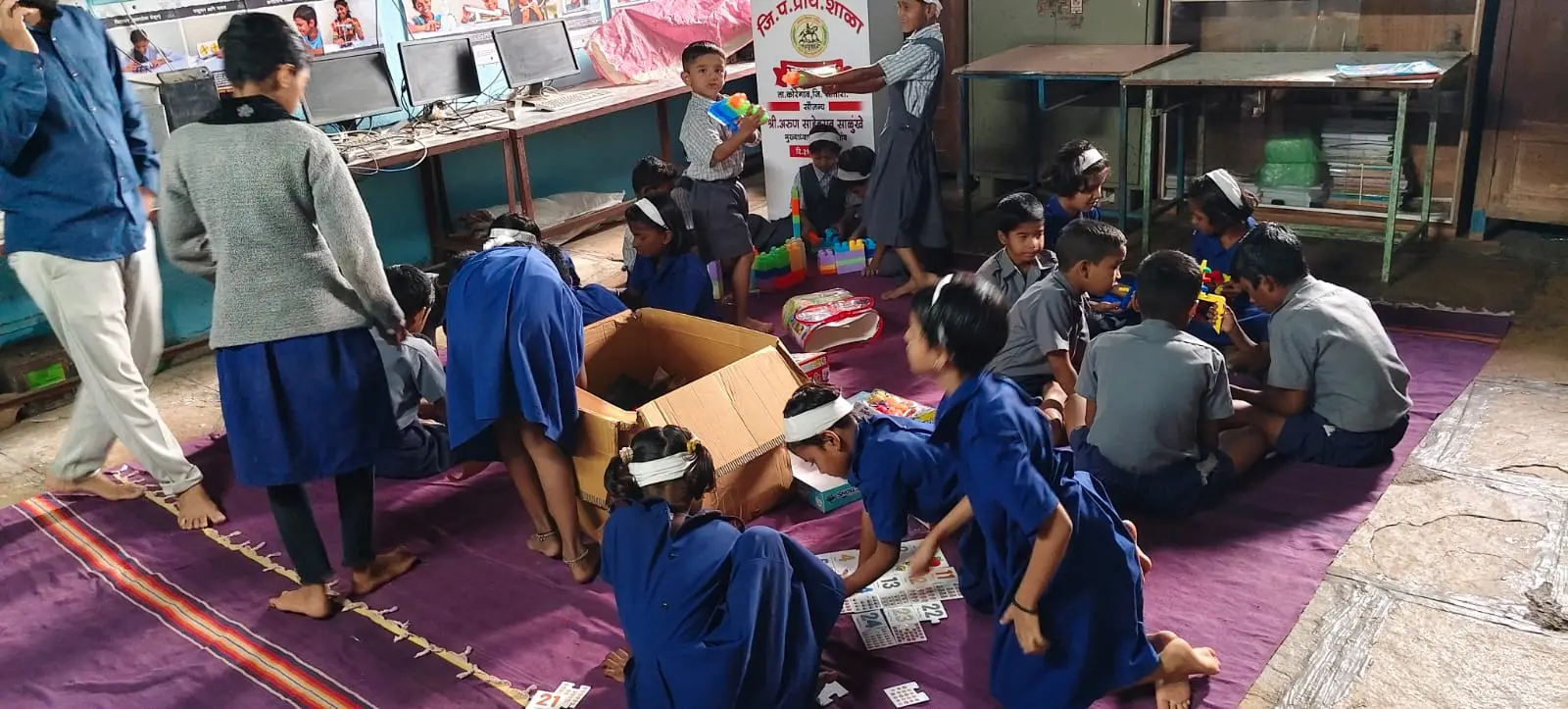
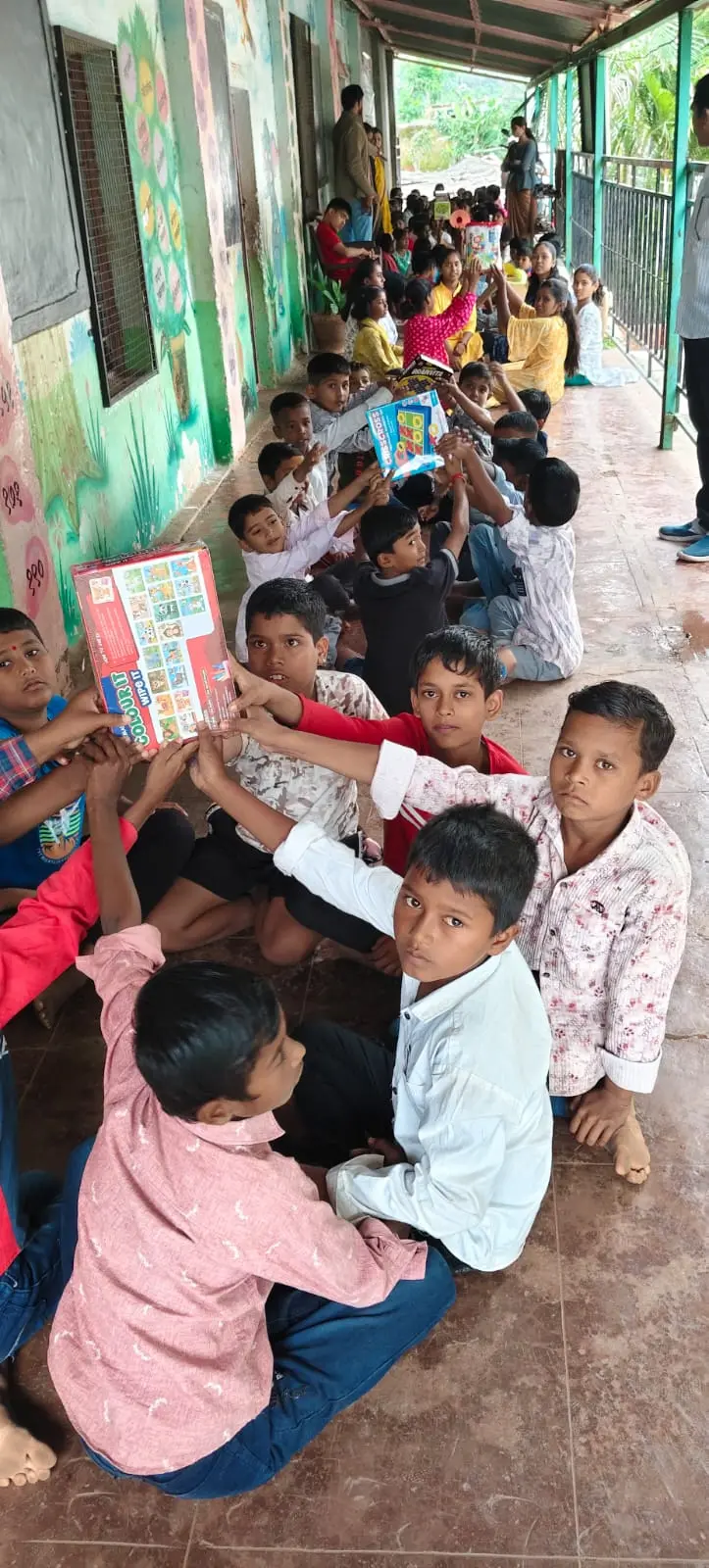
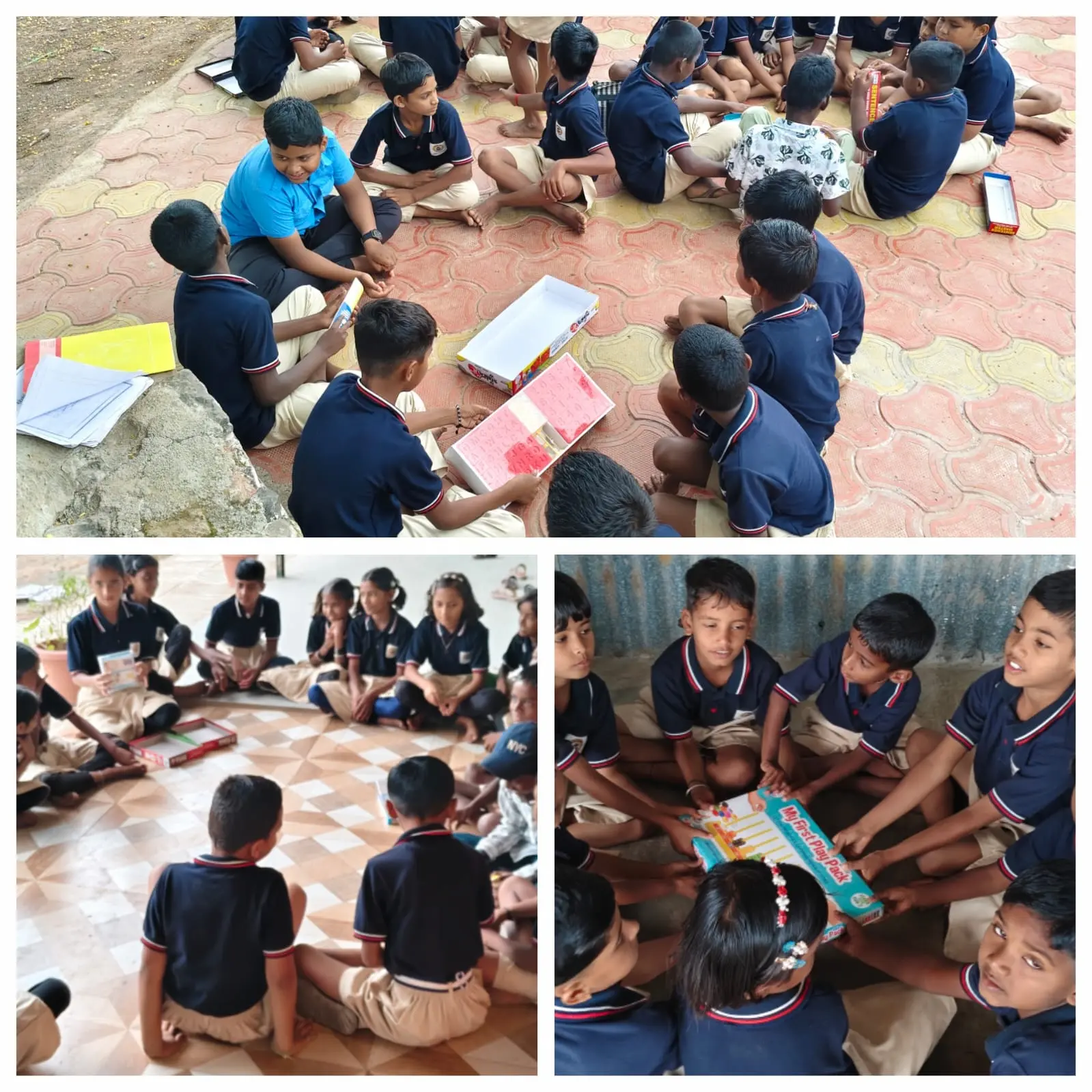
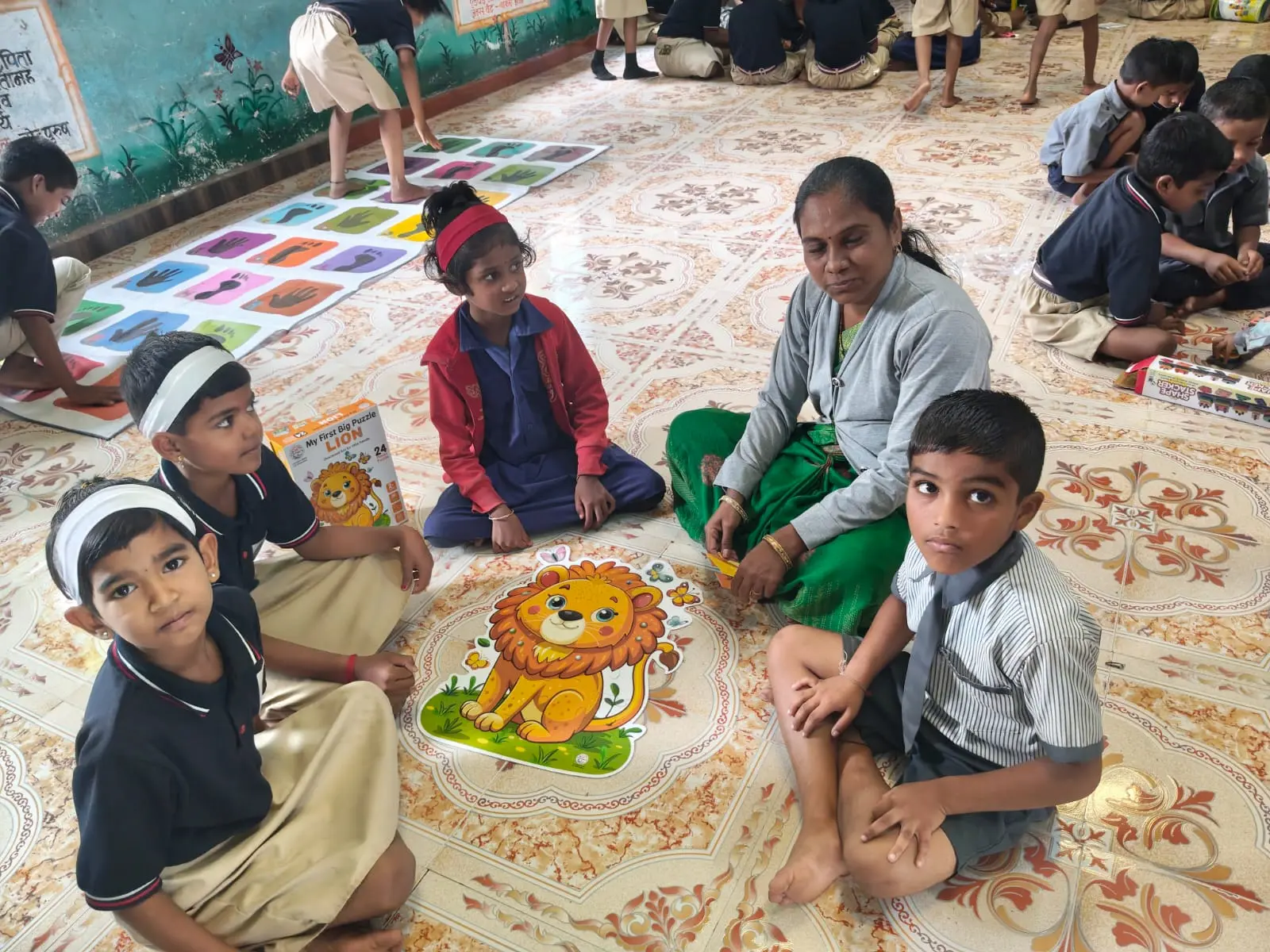
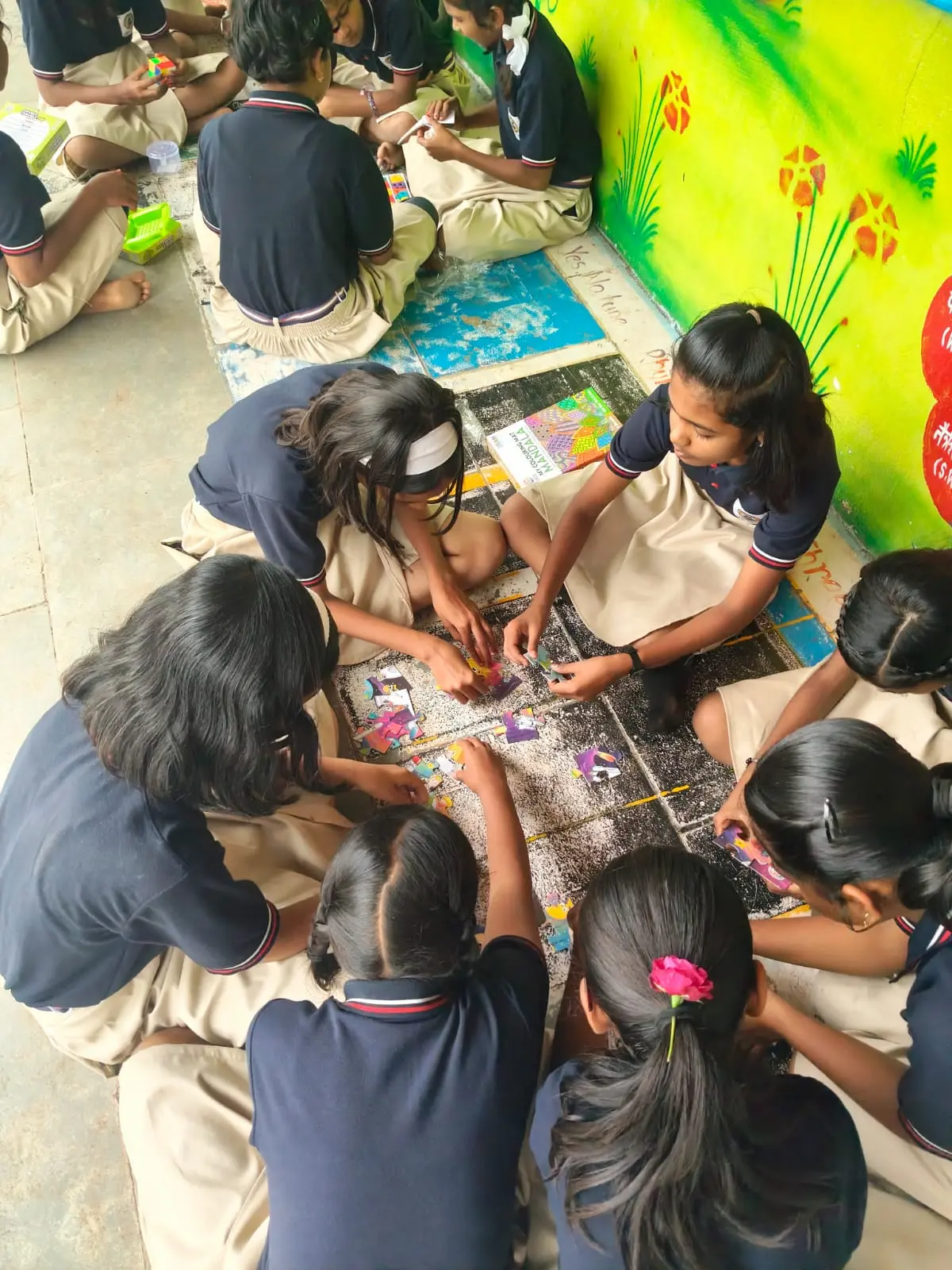
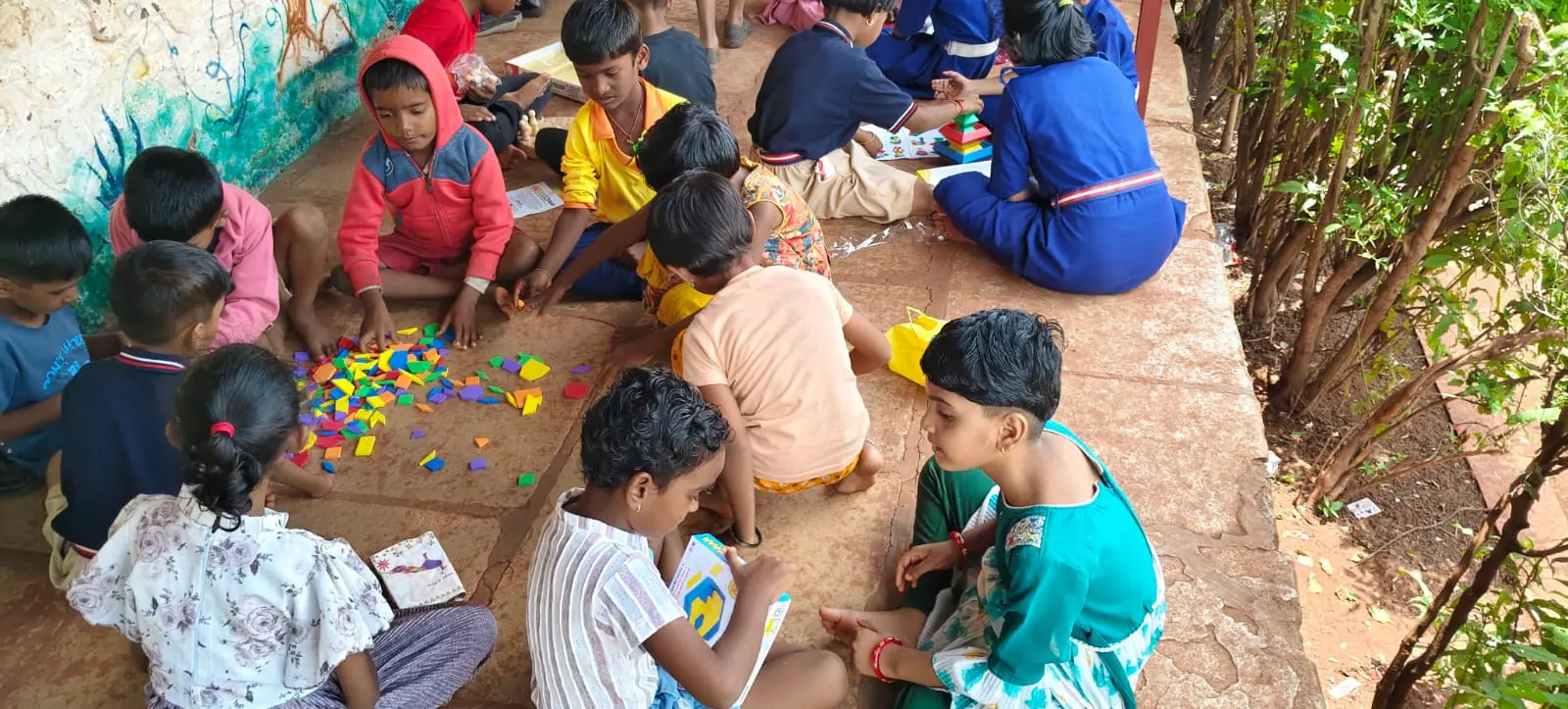
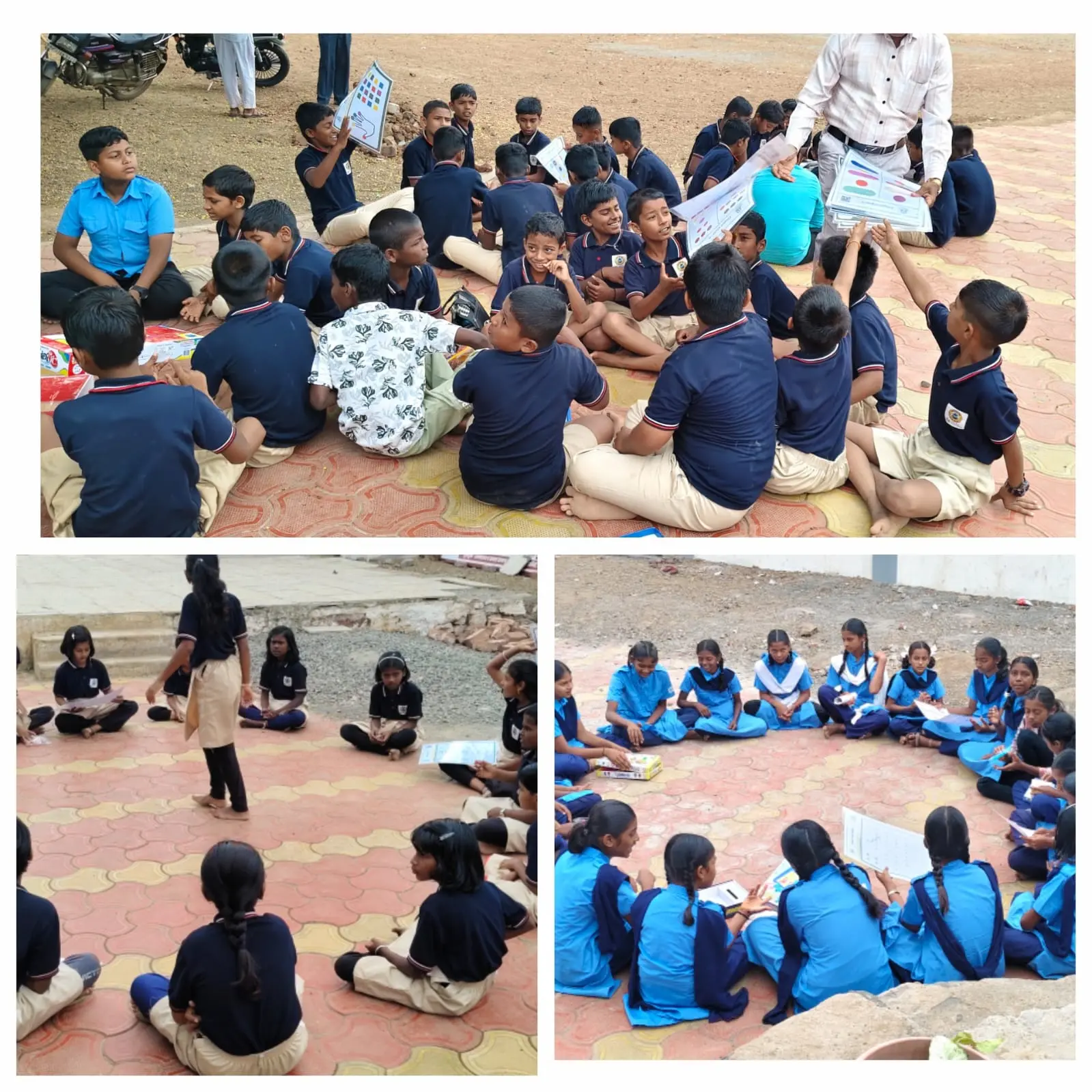
Learning becomes exciting when children can touch, explore, experiment and discover things for themselves. With this thought, under Project Shikshalaya, we have established seven Toy-Book Libraries in Zilla Parishad (Z.P.) schools across Satara, Maharashtra, impacting 972+ beneficiaries.
These libraries bring new learning opportunities into school spaces, encouraging children to look beyond textbooks and discover the joy of learning through play.

More Than Just Books and Toys!

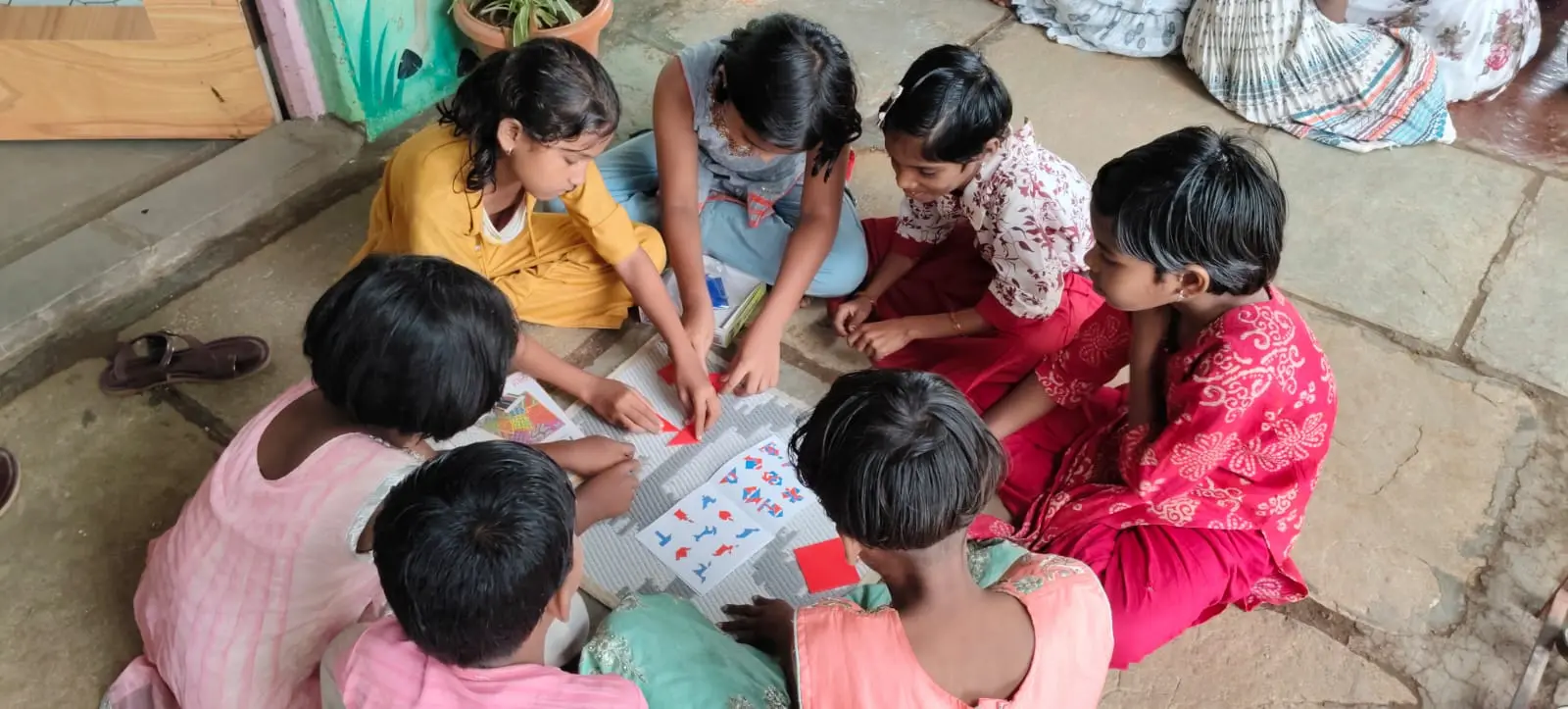
A puzzle that encourages problem-solving, a story that sparks imagination, or a game that introduces a new concept – every activity can become an opportunity to learn.

Toy-Book Libraries bring together books and educational play resources that encourage children to think creatively, ask questions and learn through hands-on experiences. Such activities can help develop essential skills, including communication, critical thinking, teamwork and problem-solving.

Teachers can also use these resources to introduce concepts in creative ways, making classroom activities more engaging and encouraging children to participate actively in their learning journey.

Seven Schools, A World of Possibilities

The Toy-Book Libraries have been established in the following schools across Satara, Maharashtra:

  • Z.P. School Budhawalewadi
  • Z.P. School Rajapur
  • Z.P. School Daruj
  • Z.P. School Jaaigaon
  • Z.P. School Lalgoon
  • Z.P. School Ekambe
  • Z.P. School Shirdhon

Each library offers children access to resources that can inspire exploration, encourage independent thinking and make everyday learning more engaging. These spaces also give educators additional opportunities to introduce activity-based learning into their classrooms.

Making Every Learning Moment Count

At Sampoorna Shiksha, we believe that education should nurture not just knowledge, but also curiosity, confidence and creativity. Through Project Shikshalaya, we continue to work towards creating learning environments where children feel encouraged to explore, experiment and discover their potential.

The establishment of these seven Toy-Book Libraries marks another step towards making learning more interactive and accessible for children in government schools.

Seven libraries. 972+ beneficiaries. A world of learning waiting to unfold – Because sometimes, the smallest discoveries lead to the biggest possibilities!

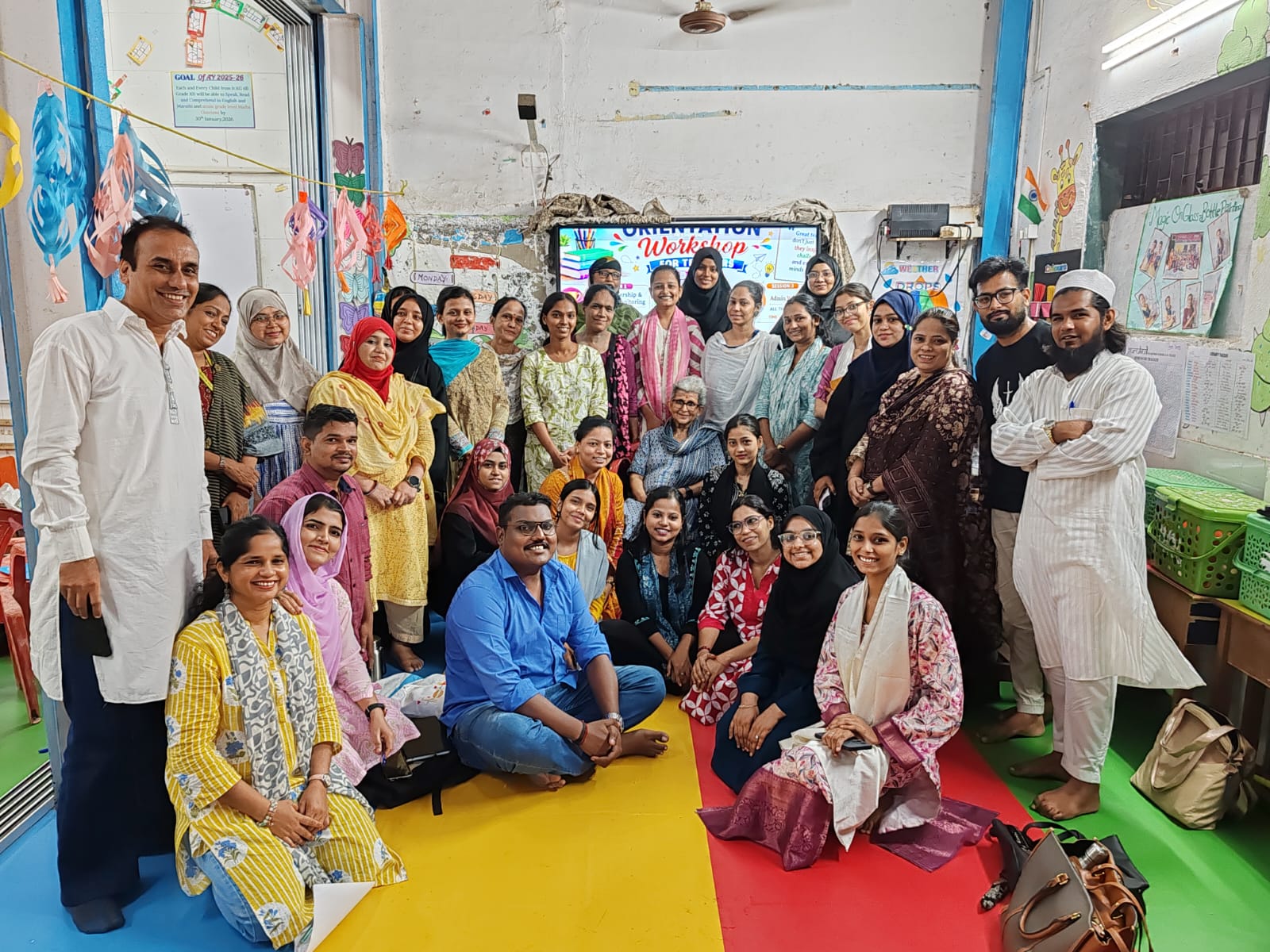
Rethinking Teaching, Reimagining Learning: Teacher Training Program

Every teacher has a story to bring into the classroom – experiences, questions, challenges and a desire to help every child learn better.

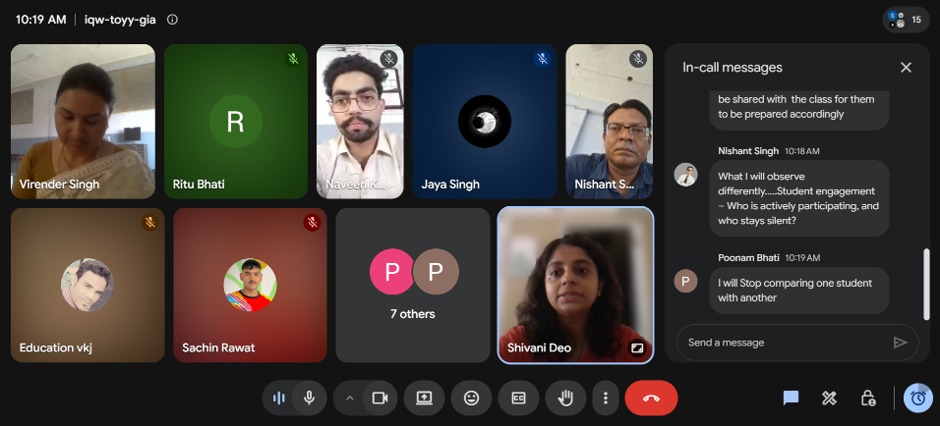
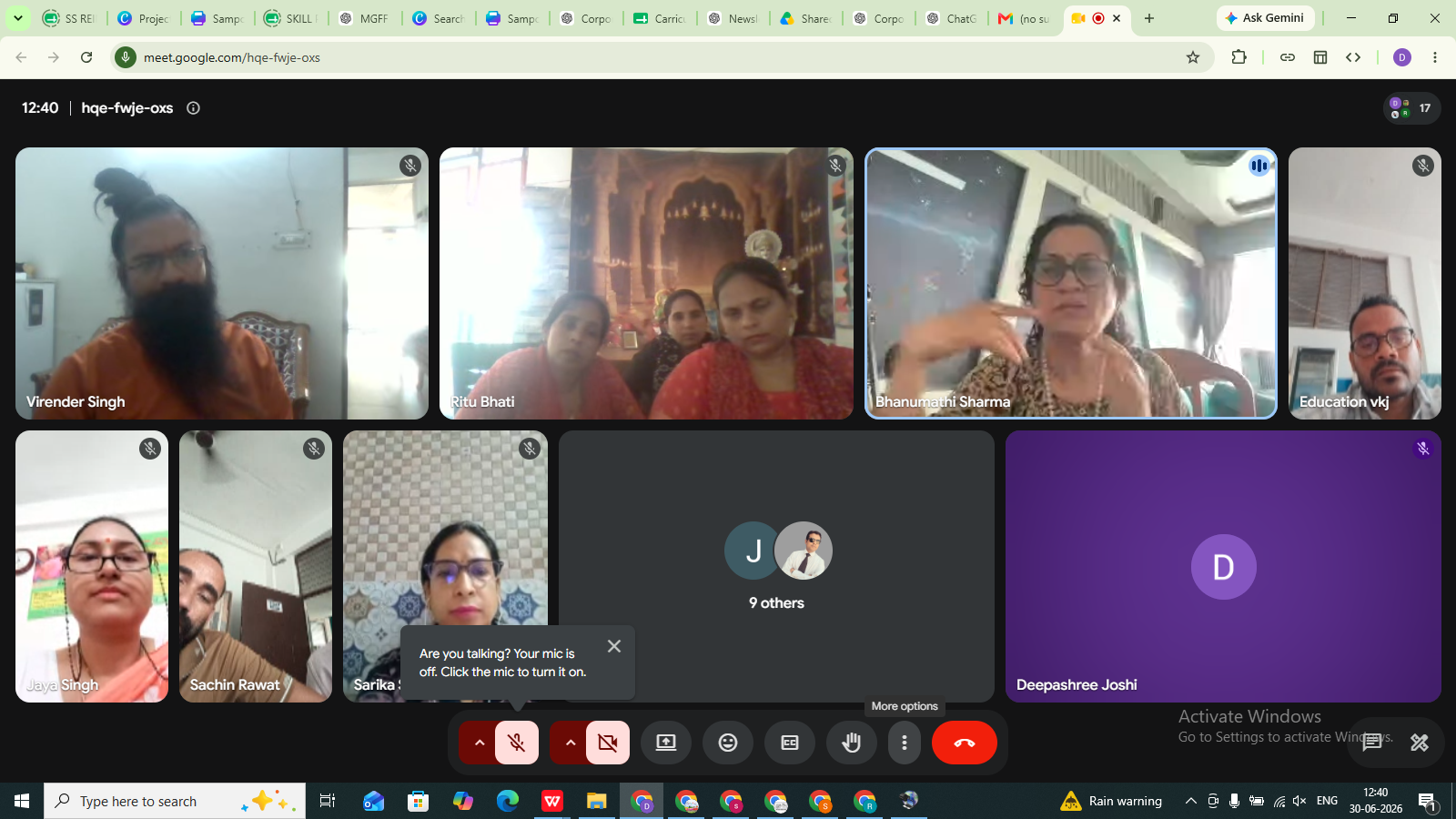
At Sampoorna Shiksha, we believe that giving teachers opportunities to learn and grow is an important step towards creating stronger, more engaging classrooms. Through Project Shikshalaya, we recently conducted three Teacher Training engagements across three schools, bringing educators together through both online and offline sessions.

From exploring new teaching approaches and classroom strategies to understanding child development and inclusive learning, each training created a space for teachers to learn, reflect and take new ideas back to their classrooms.

 Eight Days of Learning –  Sixth Element Public School, Noida

The journey began online with an 8-day Teacher Training Programme for Sixth Element Public School, Noida, where 18 teachers participated in two-hour sessions led by 7 trainers from Sampoorna Shiksha.

Across the eight days, teachers explored a wide range of themes, including:

    • Mathematics Pedagogy
    • Language Pedagogy
    • Social Science
    • Classroom Management
    • Inclusive Classrooms & Differentiation
    • Foundational Literacy
  • AI In Education 

The sessions created opportunities for teachers to explore new approaches, participate in discussions, reflect on classroom experiences and think about how different strategies can be adapted to support their students more effectively.

One of the participating teachers, Vikas Kumar, Mathematics Teacher, shared:

“The training was very useful and informative. More practical classroom demonstrations and hands-on activities is making it even more beneficial. Thank you.”

 Taking Learning Offline – Gurukul School, Malad

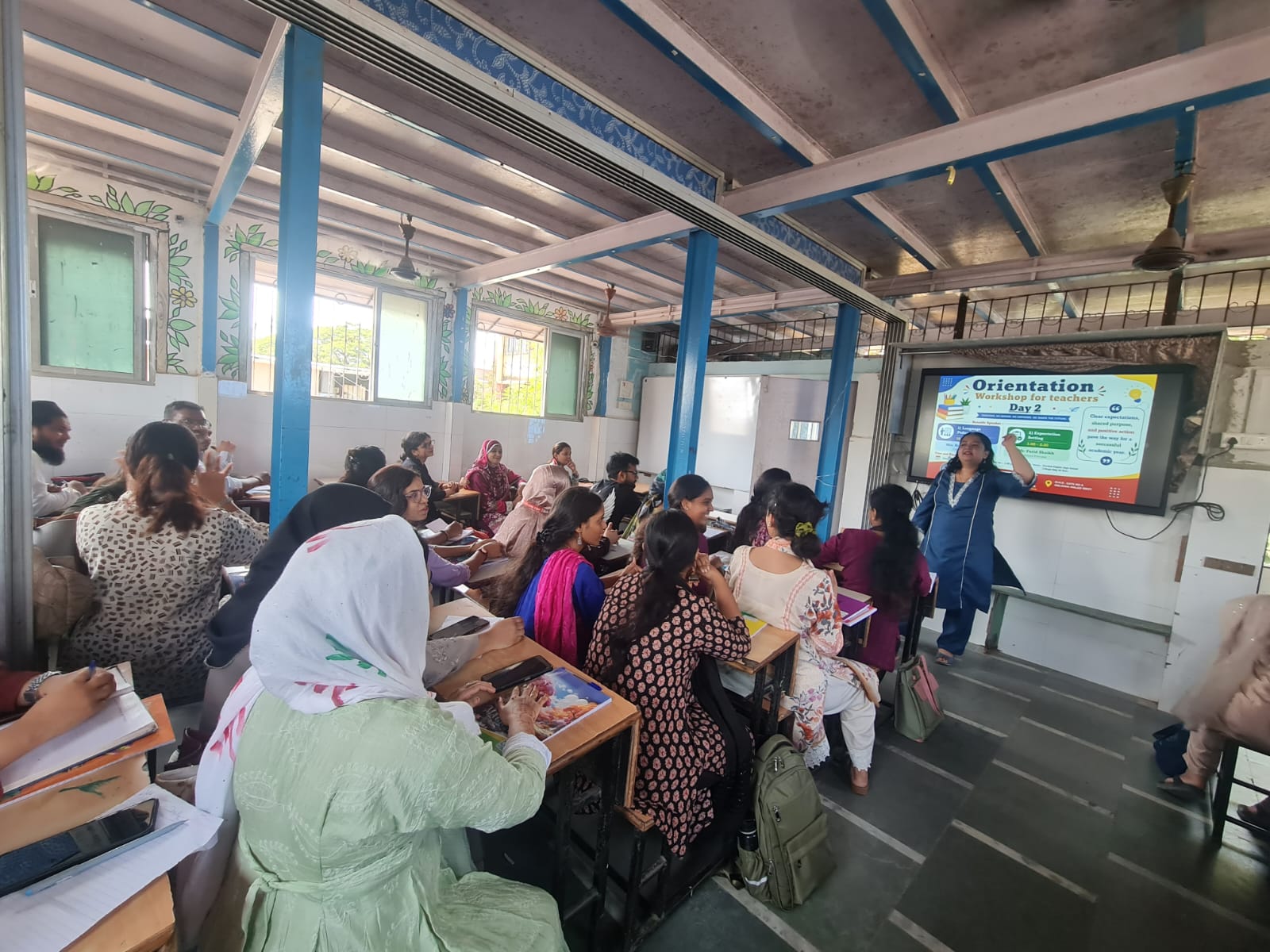
The learning then moved from screens to the classroom at Gurukul School, Malad, where 25 teachers participated in an offline training programme led by 5 facilitators.

Across 11 subjects and thematic areas, the sessions created an interactive space for teachers to learn, share experiences and engage with different aspects of teaching practice.

The face-to-face format encouraged conversations, reflection and practical discussions around the classroom situations teachers encounter every day – making the learning experience closely connected to their own teaching environments.

Understanding Children Better – BKP High School, Ulwe

At BKP High School, Ulwe, 10 teachers participated in two focused training sessions on Child Development & Learning and Language Pedagogy.

The sessions encouraged teachers to look beyond what children learn and think more deeply about how children learn, develop and communicate.

Teachers reflected on how children of different ages can have different needs, behaviours and challenges, and how understanding these differences can help educators communicate better, respond with greater patience and make learning more engaging.

Mrs. Nirmala Sonawane, one of the participating teachers, shared:

“I learnt how to understand different stages of students’ learning. I learnt that students’ age is important before we start teaching and how different activities can help in their learning. I also learnt how to keep our classroom happy and how to remain patient when students are disturbing. The training was very helpful to me.”

Across the three programmes, the most meaningful part of the training was not only the subjects covered, but the conversations and reflections that happened along the way.

Teachers brought their own classroom experiences, questions and challenges into the sessions — and took away new ideas to think about, try and adapt.

From understanding child development to exploring pedagogy, inclusion, classroom management and foundational literacy, the trainings created space for educators to continue learning from both facilitators and their own experiences as teachers.


Three Schools. Different Needs. One Shared Purpose.

The three engagements were different in format and focus — from an 8-day online programme to offline facilitator-led sessions and focused workshops on specific areas of learning.

Yet, they all came together around one simple idea:

Teachers, too, are lifelong learners.

Across these three school engagements, 53 teachers participated in opportunities to learn, reflect, exchange ideas and explore approaches that can be taken back into their classrooms.

At Sampoorna Shiksha, we believe that empowered educators are at the heart of meaningful learning. By creating opportunities for teachers to strengthen their knowledge, reflect on their practice and discover new ways of engaging with children, we hope to contribute to classrooms that are more inclusive, engaging, thoughtful and joyful.

Beyond the Classroom: A Day of Discovery at MuSo

What happens when a classroom opens its doors to a world of exploration? Learning becomes something children can see, touch, question and experience.

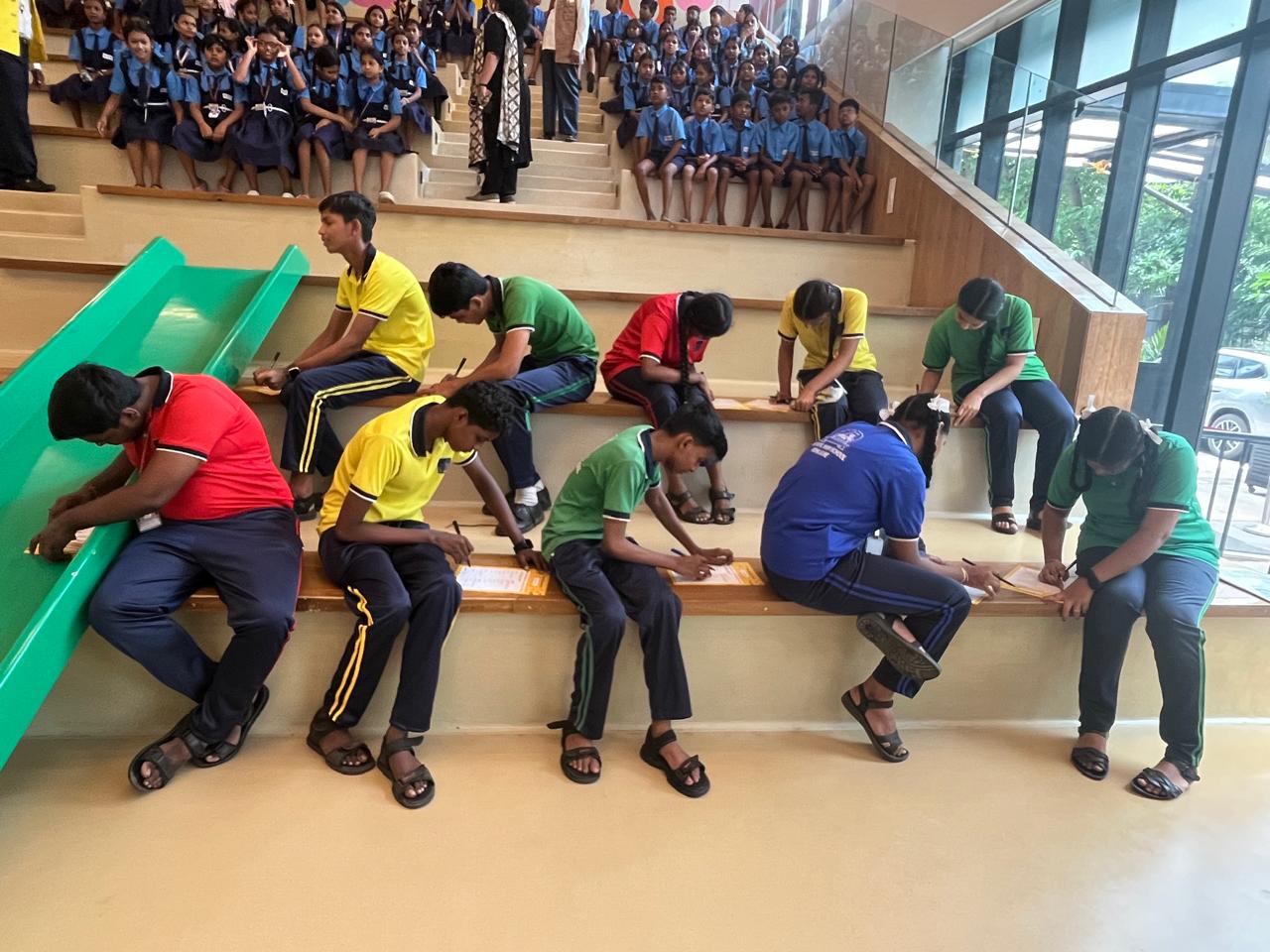
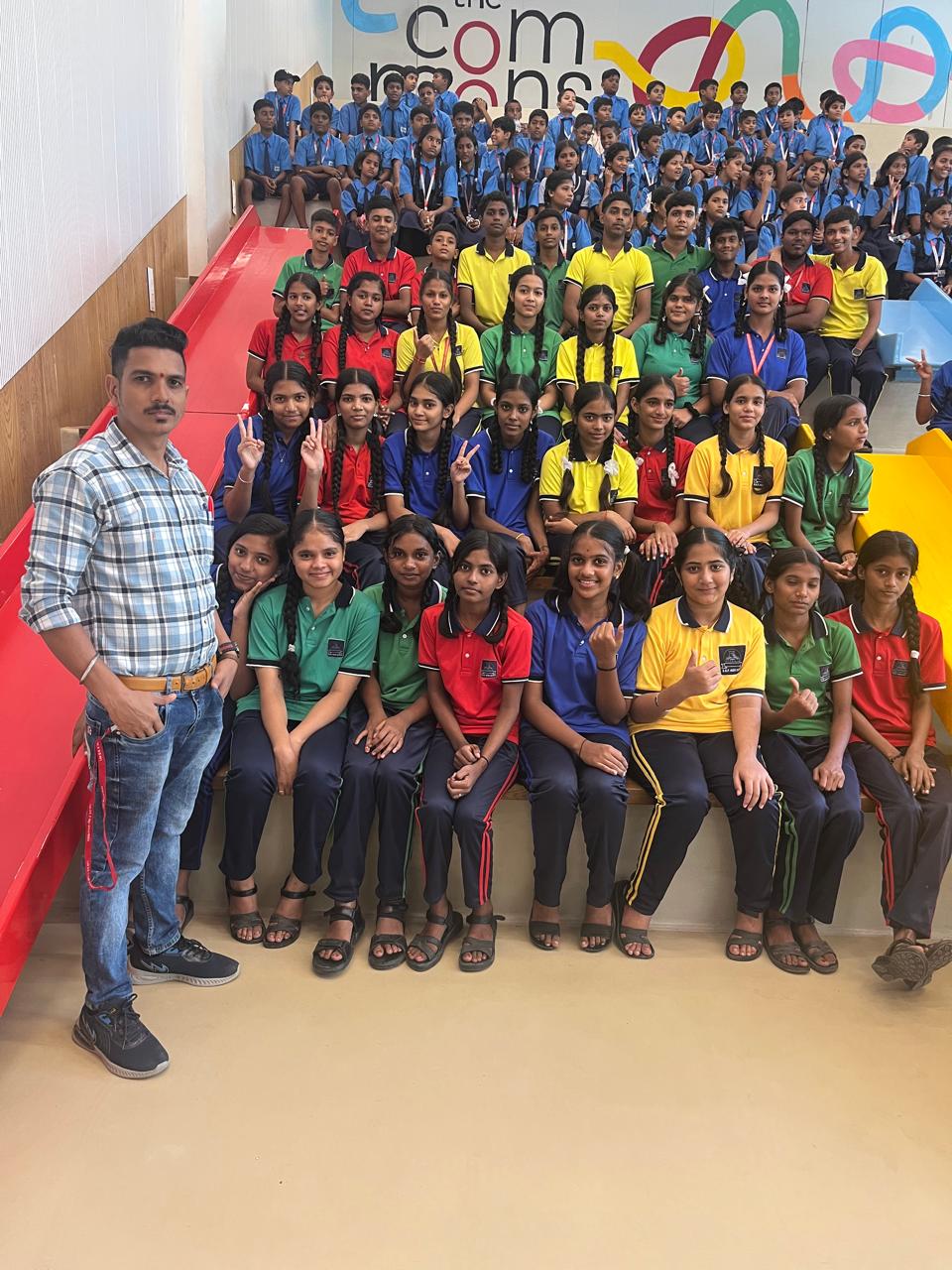
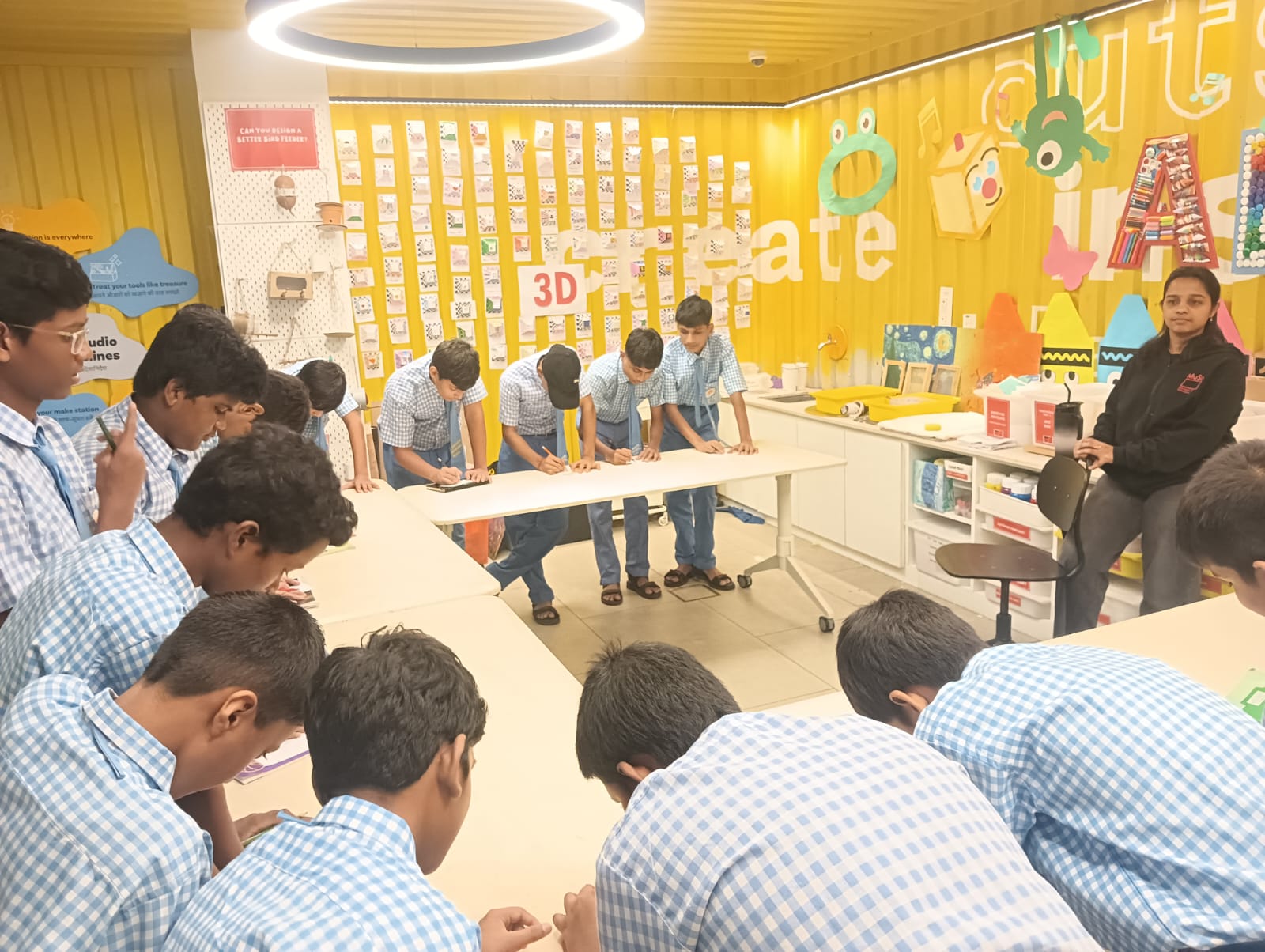
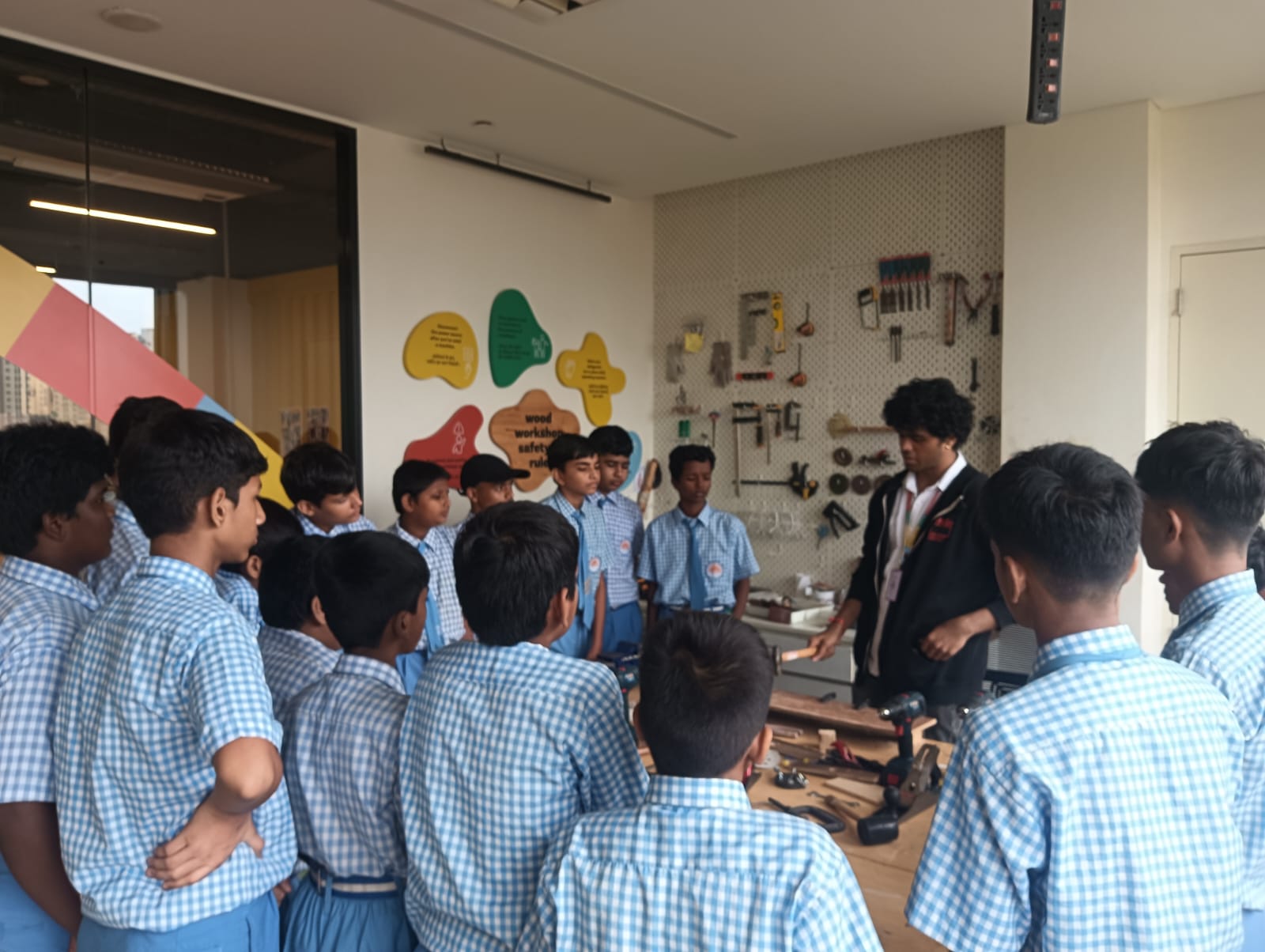
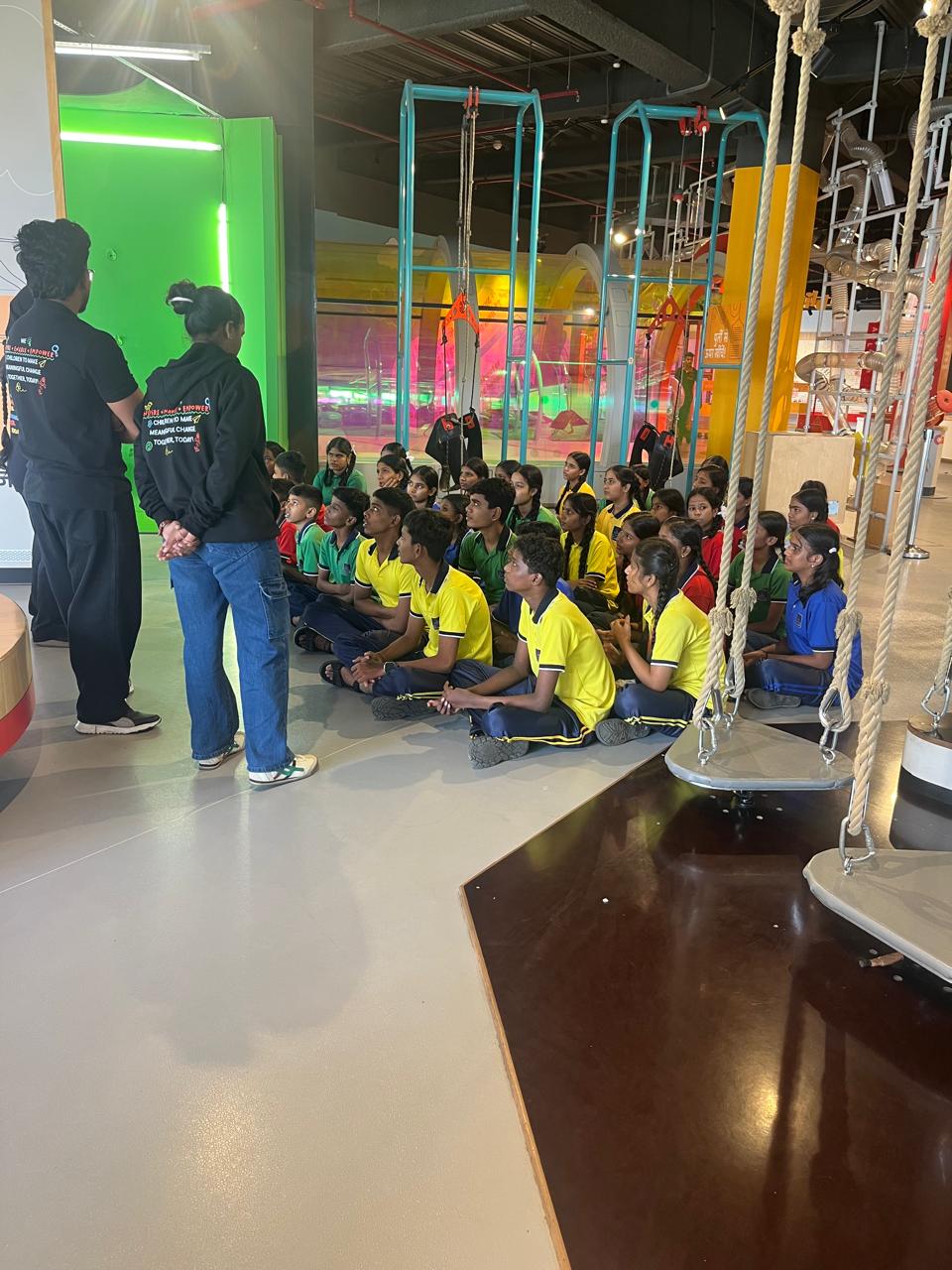
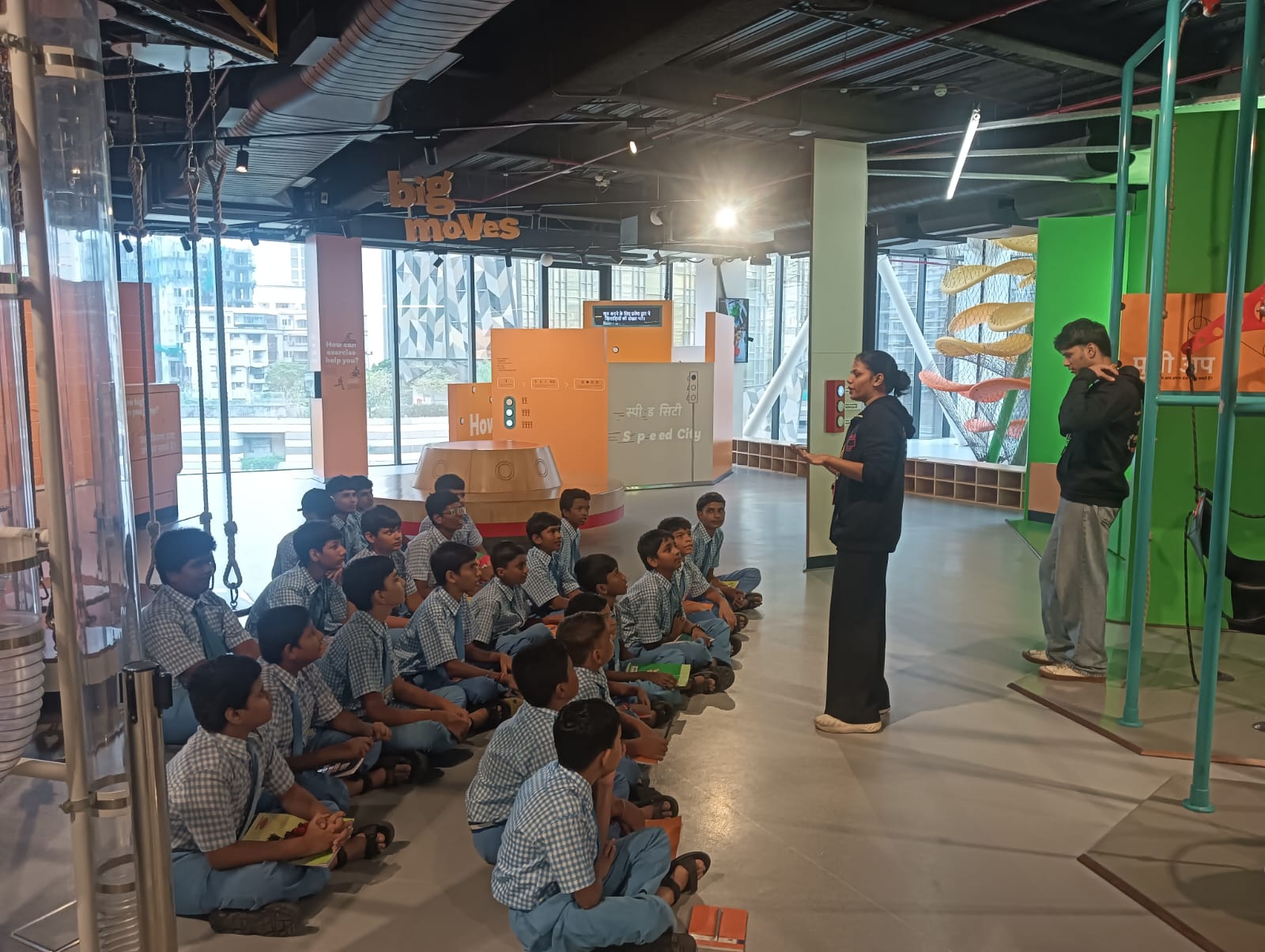
Under Project Shiksha Vikas, Sampoorna Shiksha facilitated an experiential learning visit to Museum of Solutions (MuSo), Mumbai, for students from two of our adopted schools Sanjeevan High School, Seawoods and BKP High School, Ulwe.

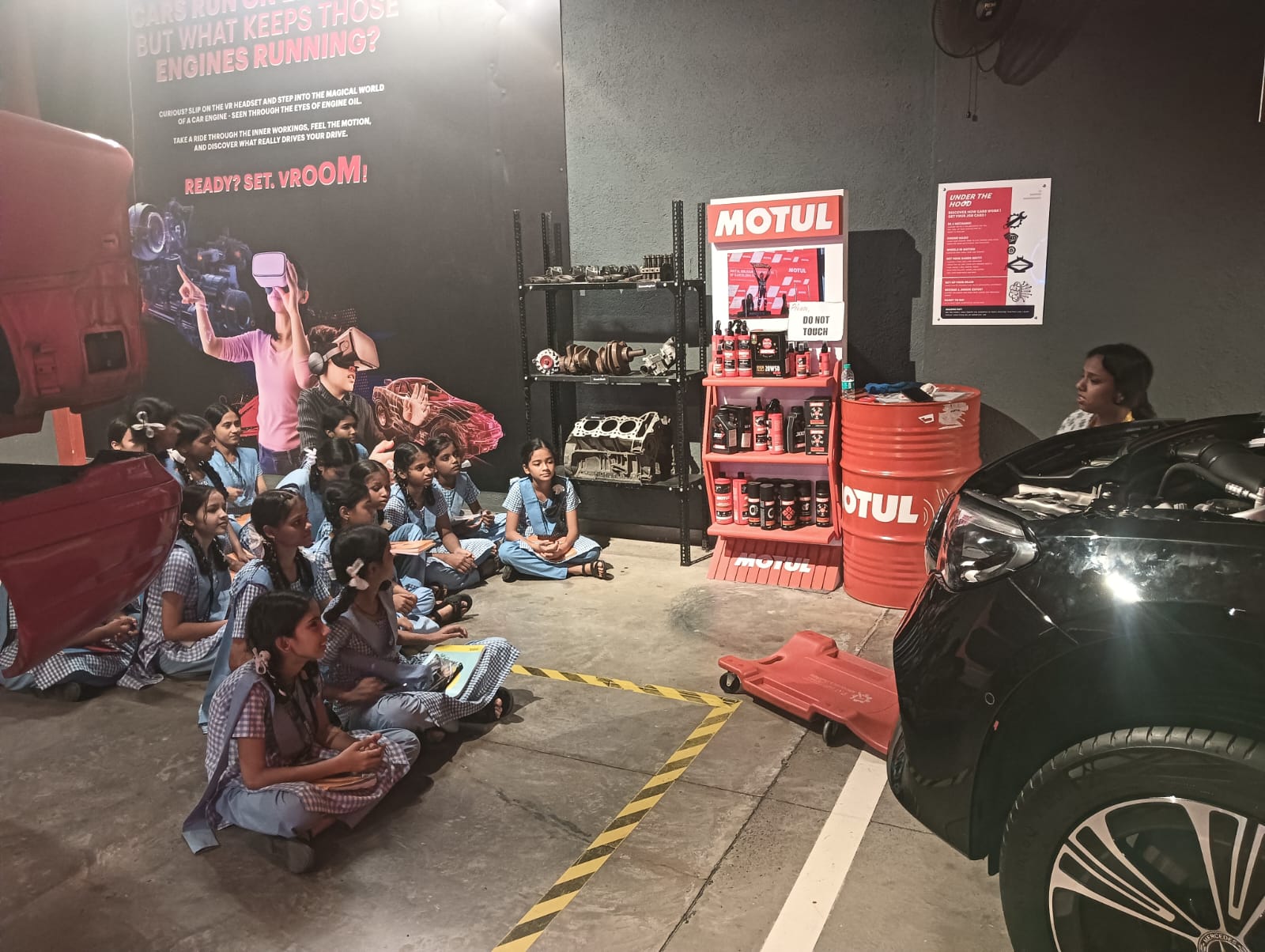
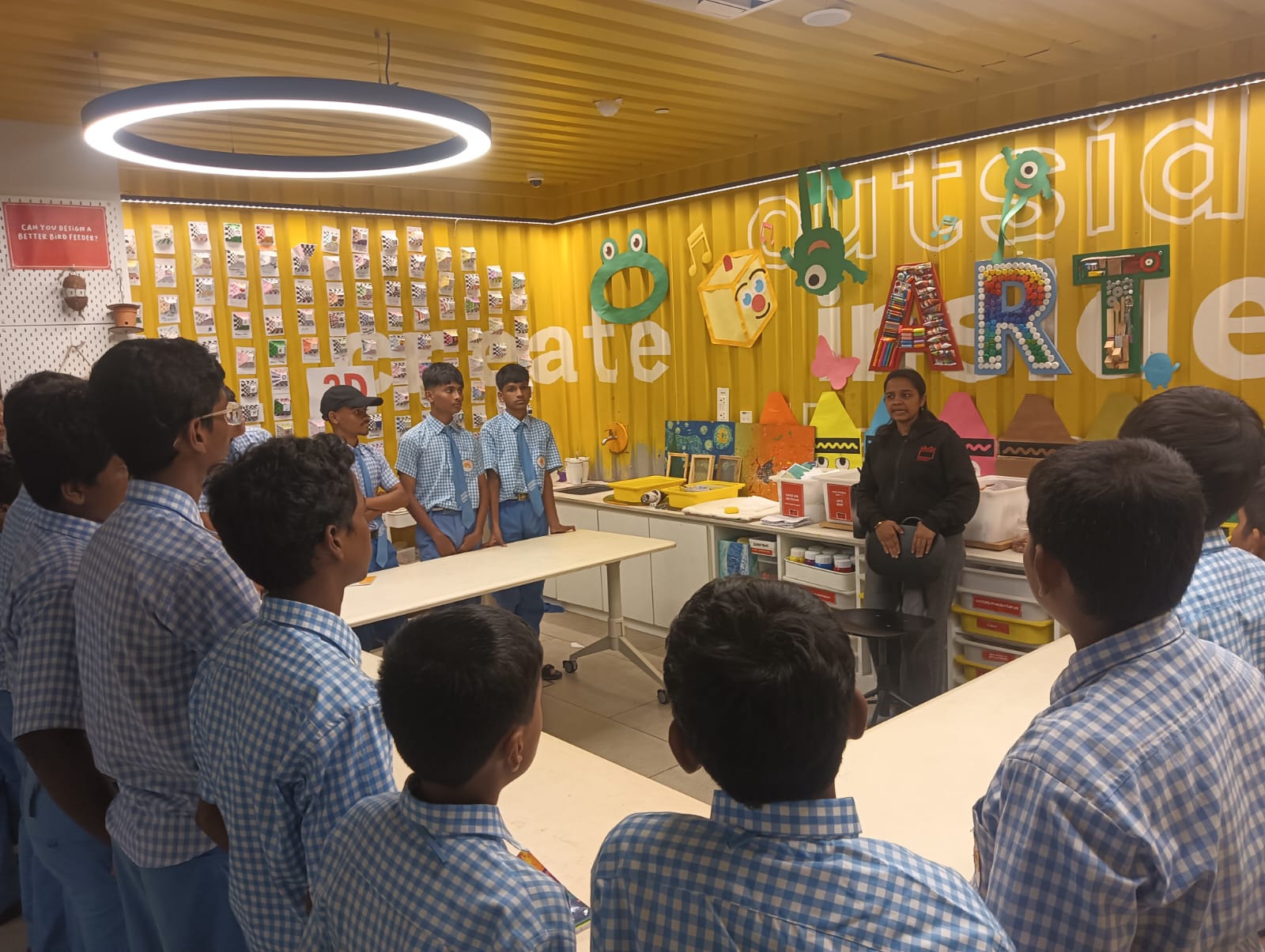
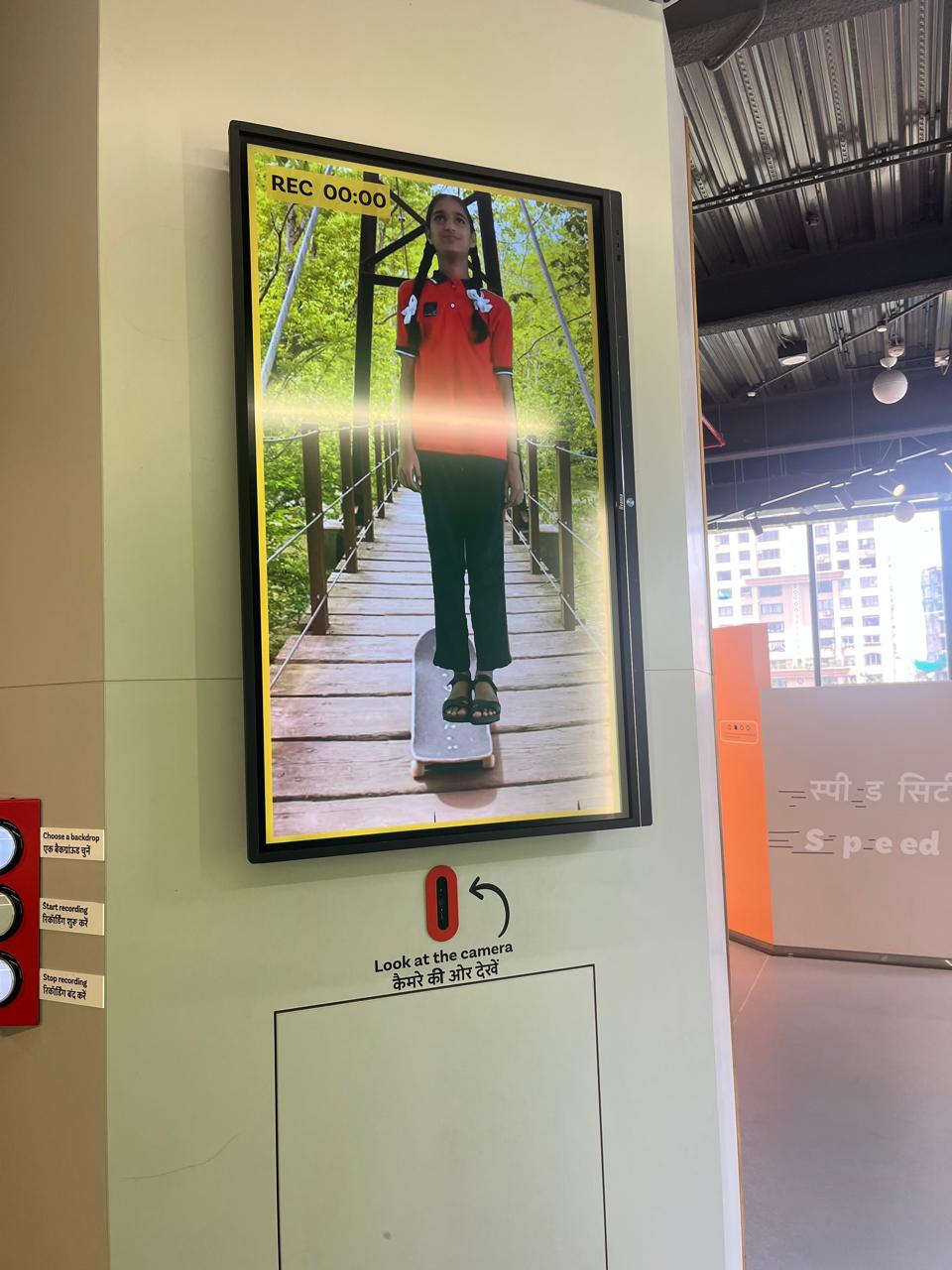
Across the two visits, 80 students from Grades 5 to 8 stepped into a learning environment designed to encourage curiosity, creativity and problem-solving. Instead of learning only through textbooks, students had the opportunity to explore interactive exhibits, experiment, ask questions, collaborate and discover new ways of looking at the world.

Learning Through Exploration

At MuSo, students stepped into a learning environment where curiosity, creativity and problem-solving came alive through hands-on experiences. Some of the key learning experiences included:

  • Building & Testing Structures: Designing tracks, bridges and structures while exploring balance, strength and motion.
  • Air & Motion Activities: Experimenting with launching, floating, hovering and steering to understand movement through play.
  • Water Challenges: Exploring water, flow and cause-and-effect through interactive activities.
  • Problem-Solving & Patterns: Working with sequences, patterns, shapes and design to develop logical and creative thinking.
  • Make Lab Activities: Designing, building and creating through art, technology, woodworking and rapid prototyping.
  • Water & Sustainability Challenges: Exploring water-related issues and working together to think about possible solutions.

These experiences encouraged students to learn by doing, ask questions, collaborate with one another and connect classroom concepts with real-world situations.


For the students, the day became an opportunity to step outside the familiar classroom setting and connect what they learn in school with the world around them. Curiosity led the way, and every interaction became a chance to learn something new.

Making Learning More Experiential

The visits were facilitated with the support of ConnectFor, whose partnership helped make this learning experience possible for the students.

We sincerely thank ConnectFor for enabling this opportunity and the Museum of Solutions for creating a space where children can explore, experiment and simply be curious. 

At Sampoorna Shiksha, we believe that education extends beyond the classroom. When children are given opportunities to experience, explore and create, learning becomes something they remember- not just something they study.